
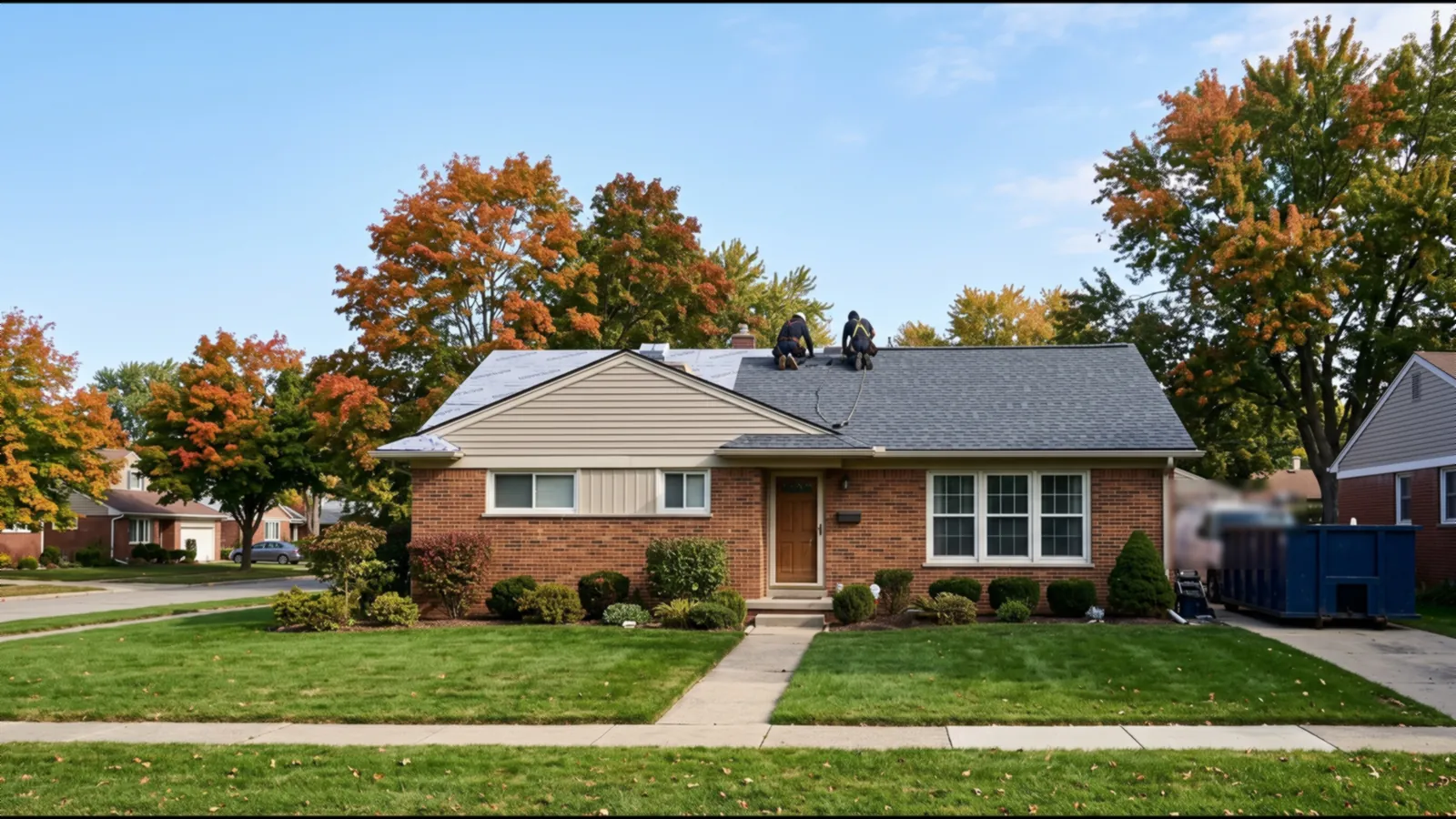
Soffit and Fascia Materials and Repairs
Prices quoted here are from HomeGuide's national guide (November 2025) and are estimates, not quotes.
Vinyl Soffit, Vented and Solid
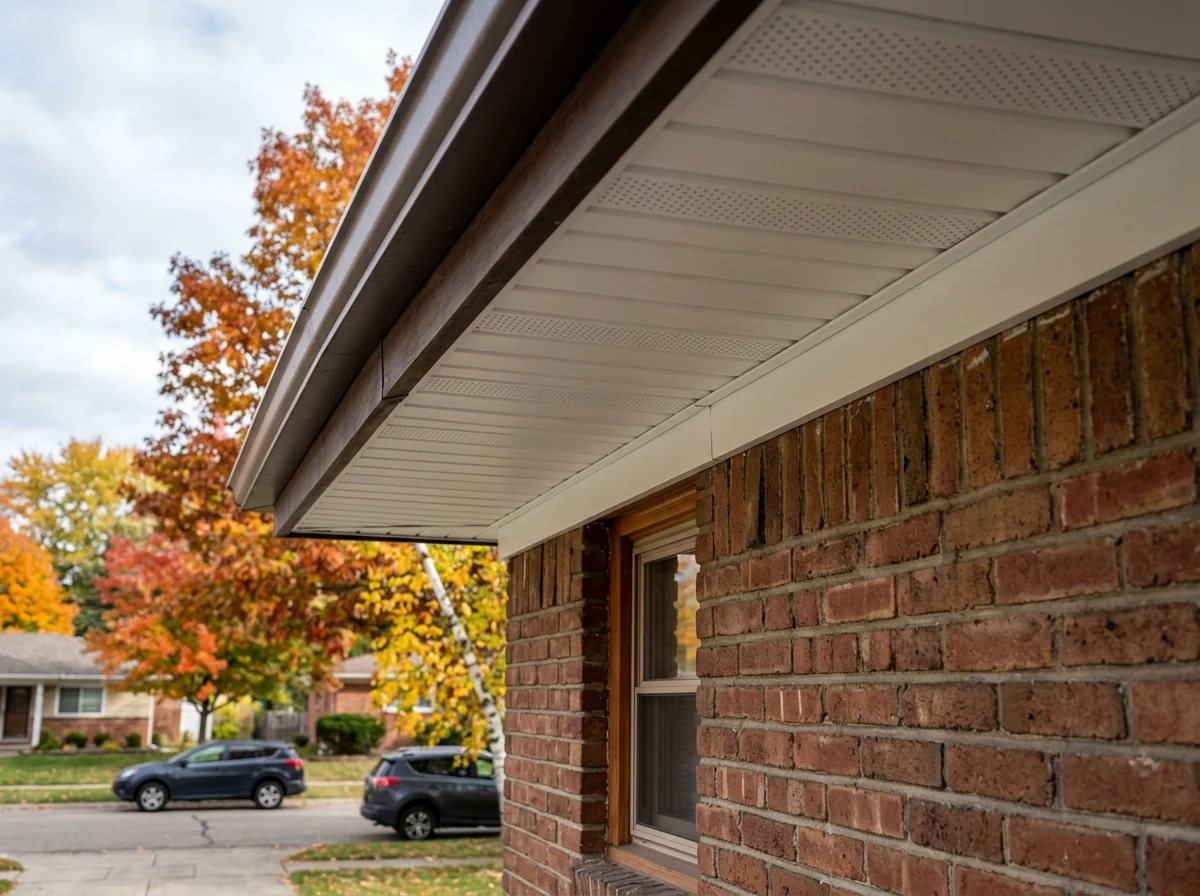
Vinyl soffit comes in long panels that slide into a channel on the wall and a trim strip at the fascia. Vented panels are perforated across their face, and solid panels close off porch ceilings and overhangs that aren't over an attic. HomeGuide lists vinyl soffit at $1 to $2.50 per linear foot for material and continuous vented vinyl at $1 to $2. Vinyl doesn't rot or need paint. It does move with temperature, so the panels need a little room at each end and shouldn't be nailed tight.
Aluminum Soffit and Fascia Wrap
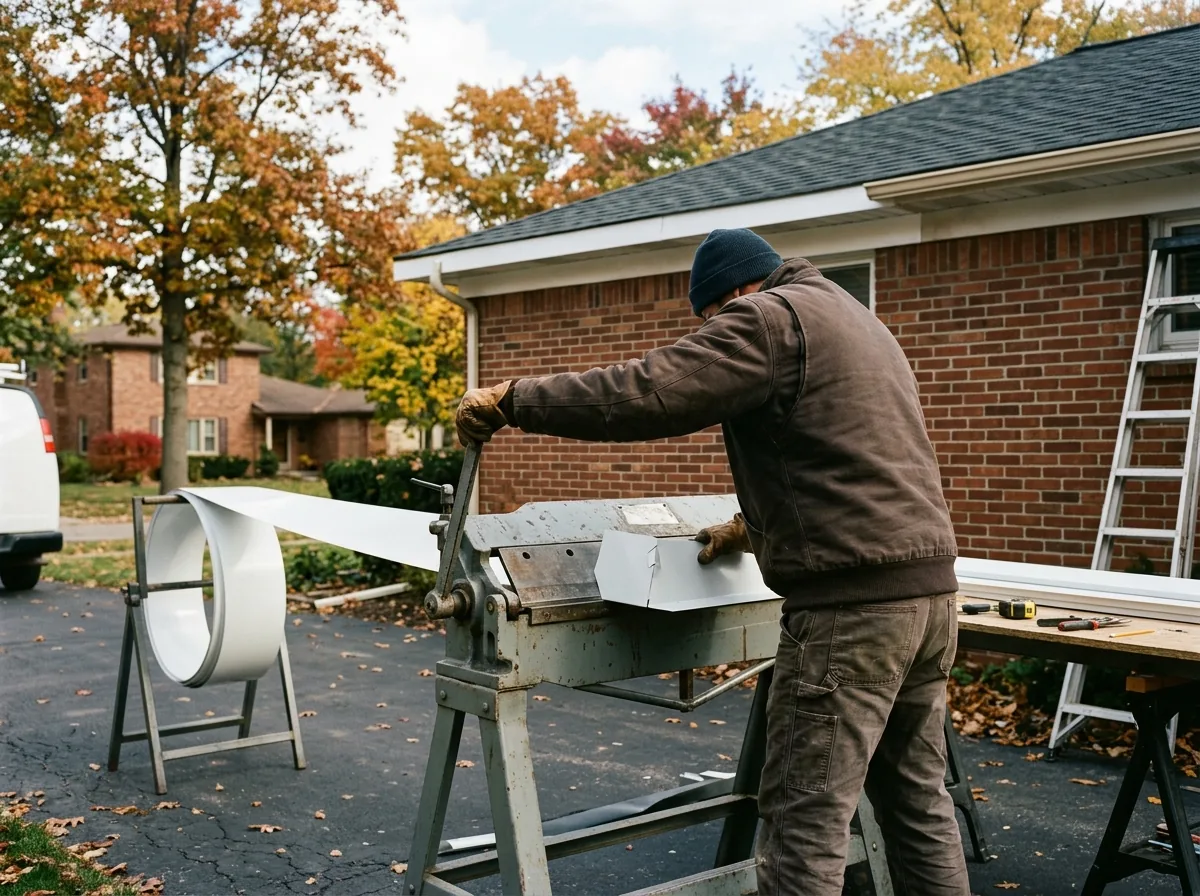
Aluminum soffit is stiffer than vinyl and holds a straight line over long spans, at $2 to $3.50 per foot for material. Fascia wrap, also called capping, is aluminum coil stock bent on a portable brake to fit over a wood fascia board. It ends the painting cycle, and HomeGuide lists it at $3 to $4 per linear foot installed. Our advice: wrap sound wood only. Aluminum over a soft board hides the rot and lets it keep spreading, and the first sign is a gutter pulling loose.
Wood Fascia Board Replacement
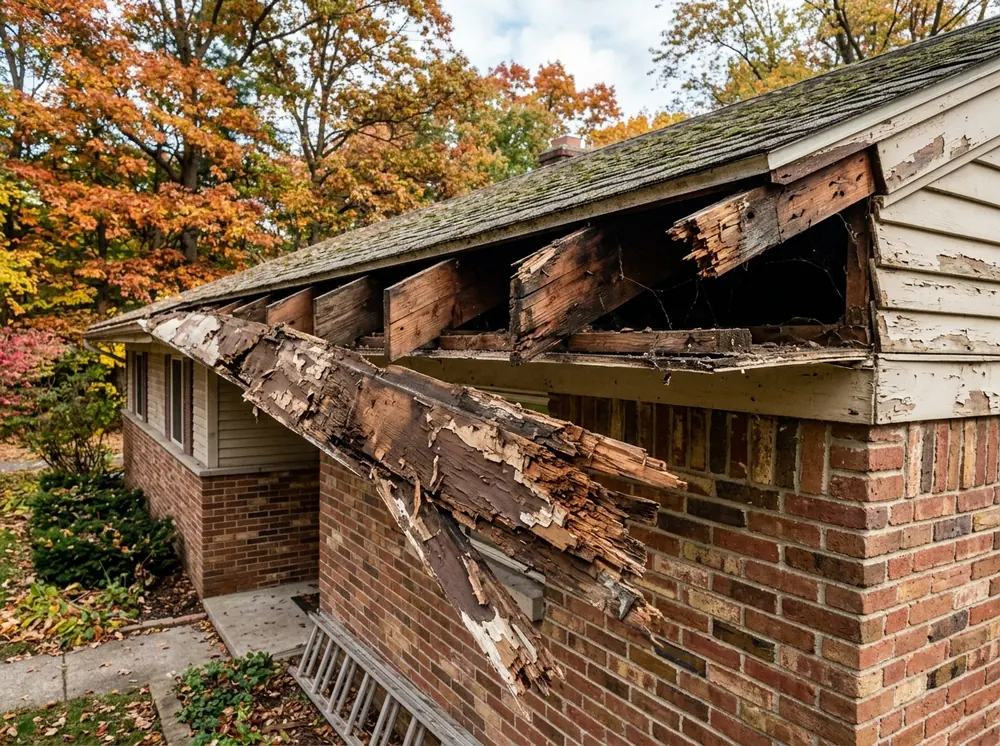
HomeGuide calls wood the most popular fascia material, and also notes that it resists water damage less well than vinyl, composite or fiber cement. Replacing fascia runs $5 to $12 per linear foot in its guide, which includes taking down and re-hanging the gutters. The rot usually starts where water gets behind the gutter: at a missing or short drip edge, at the ends of a gutter that overflows, or at an inside corner where two roof planes dump into one spot. A new board should go in primed on all sides with sealed ends. Otherwise the same corner rots again.
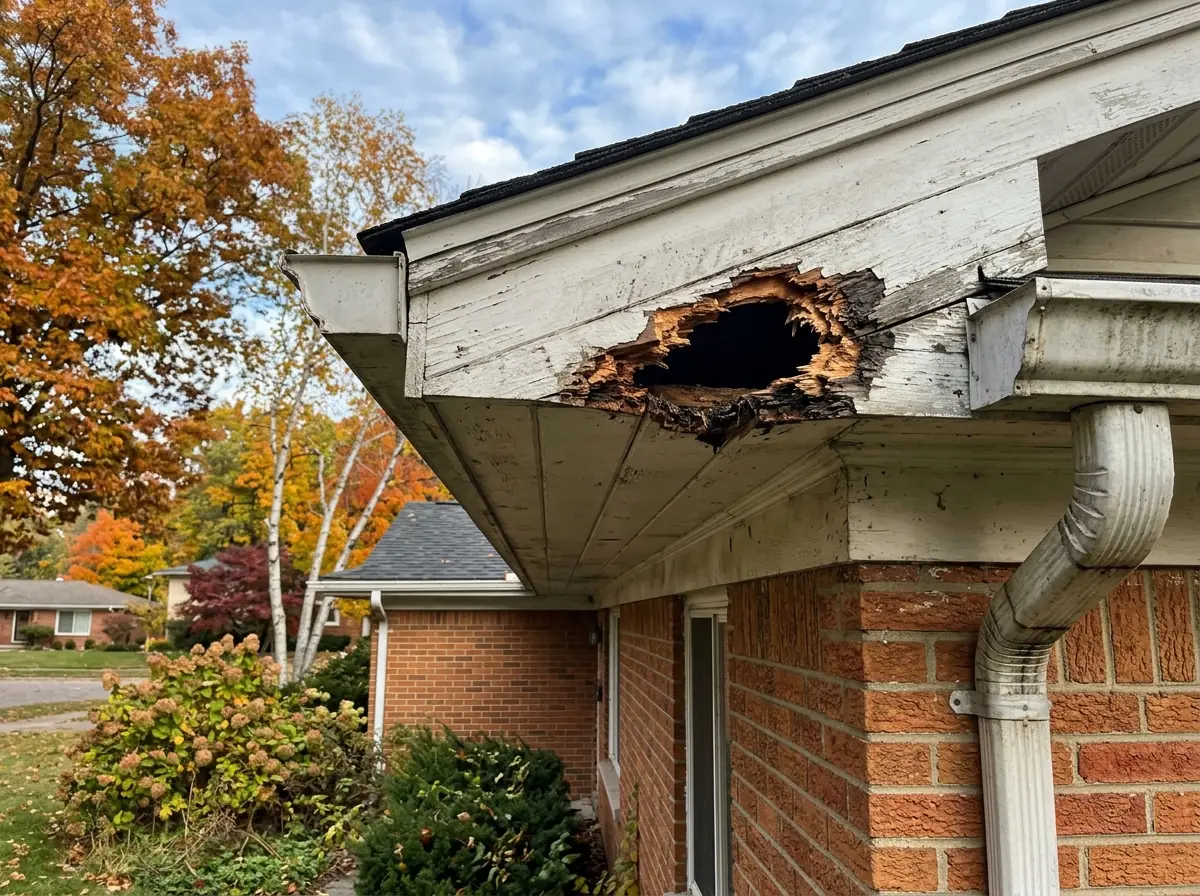
Soffit and Fascia Repair: Rot and Animal Damage
Not every eave needs a full replacement. Section repairs run $500 to $2,600, depending on how much wood is bad and how hard it is to reach. Squirrels and raccoons go for soft corners and gaps where soffit meets the roof. The repair order matters: make sure the animal is out before the hole is closed, then cut back to solid wood, replace the section, and close the gap with metal or new soffit. Look up from the ground in spring for chewed edges, dark water streaks, or a soffit panel that's dropped out of its channel.
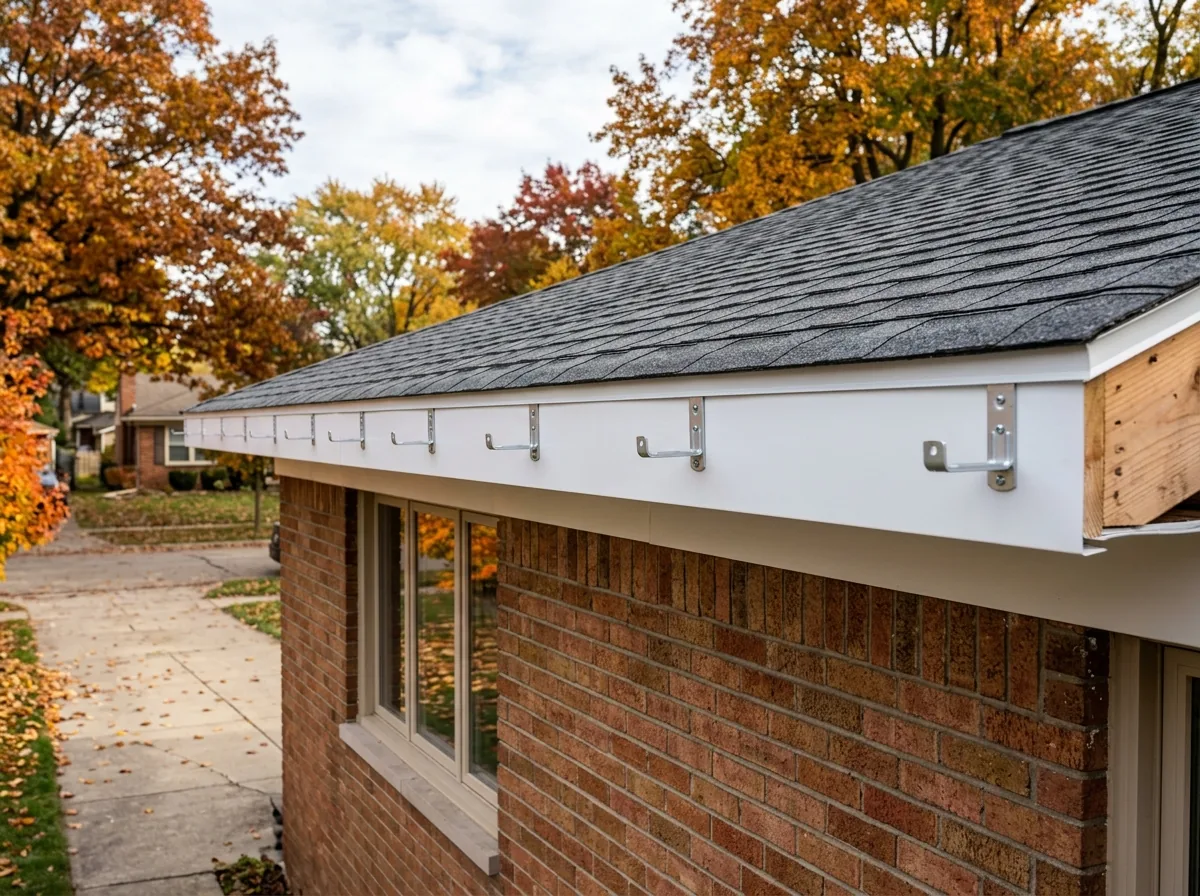
Fascia Repair Before a Gutter Re-Hang
Gutter hangers are screwed through the gutter into the fascia, so a gutter can only be as solid as the board behind it. The cheapest time to fix fascia is when the gutters are already down, either for new gutters or for a re-roof that replaces the drip edge. Have the contractor probe the whole run with an awl before anything goes back up. A soft spot found now is one board. Found later, it's a fallen gutter and a stained wall.
Why Southfield homeowners call Southfield Elite Roofing
- Free roof inspection
- Written scope and price before work starts
- One local roofing contractor per request
- Southfield homes and buildings only
- No fee for homeowners
Soffit and Fascia Replacement Cost
HomeGuide's national figures for 100 to 200 feet of eave on a one-storey house:
Soffit
$4 to $22 per linear foot, depending on width (1 to 2 feet) and material.Whole eave, soffit plus fascia
$9 to $34 per linear foot.Vents
$2.50 to $4 per foot for continuous soffit vent, or $15 to $30 per individual vent.
Fascia replacement and section repairs are priced in the sections above. Two-storey houses, awnings and complicated eave returns push labor up, and HomeGuide notes extra charges for clearing insulation that blocks soffit vents from the inside.
Soffit and Fascia on Older Southfield Houses
Roughly seven in ten Southfield housing units went up between 1950 and 1979, and the median one dates from 1969 (Census ACS 2024). Two things about eaves that age are worth raising before work starts. First, lead paint. EPA's Renovation, Repair and Painting rule says anyone paid to disturb paint in housing built before 1978 must be EPA-certified, unless the exterior work disturbs 20 square feet or less. Stripping or cutting out painted fascia on a long eave easily passes that. Ask the contractor for their RRP firm certification before the job starts.
Second, airflow. Older eaves often have solid plank or plywood soffits with a few small screened holes, or none. Replacing a solid soffit with vented panels only helps if air can actually get from the soffit into the attic. ENERGY STAR warns against covering soffit vents with insulation and recommends rafter vents (insulation baffles) to keep a channel open. Sizing intake against exhaust is covered on the roof ventilation page.
How a Soffit and Fascia Job Runs
- 1
Inspection From the Ground and the Attic
The contractor probes the fascia, checks the gutters and drip edge, and looks into the attic at the eaves to see whether the soffit vents are open or buried in insulation.
- 2
Gutters Down
The gutters come off so the fascia can be checked along its full length, not just at the obvious bad spots.
- 3
Rot Out, New Wood In
Soft boards and sub-fascia are cut back to solid wood and replaced. On pre-1978 houses, painted wood is handled under lead-safe work practices.
- 4
Soffit, Wrap and Re-Hang
New soffit panels go into their channels and the fascia gets wrapped. Then the gutters go back up on new hangers, pitched to the downspouts.