
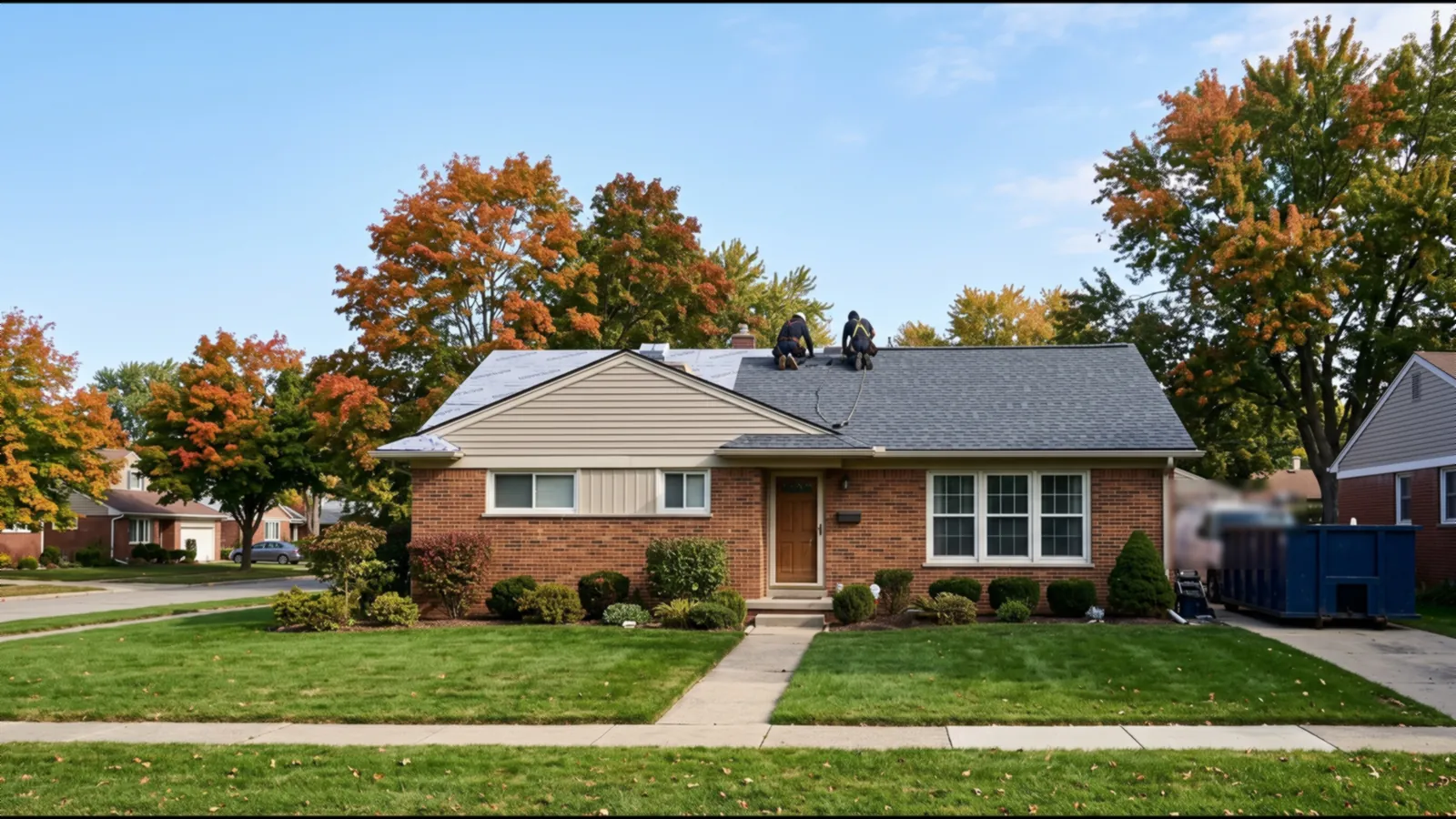
Attic Insulation Types and Services
Prices are from HomeGuide's January 2026 national guide and are estimates, not quotes.
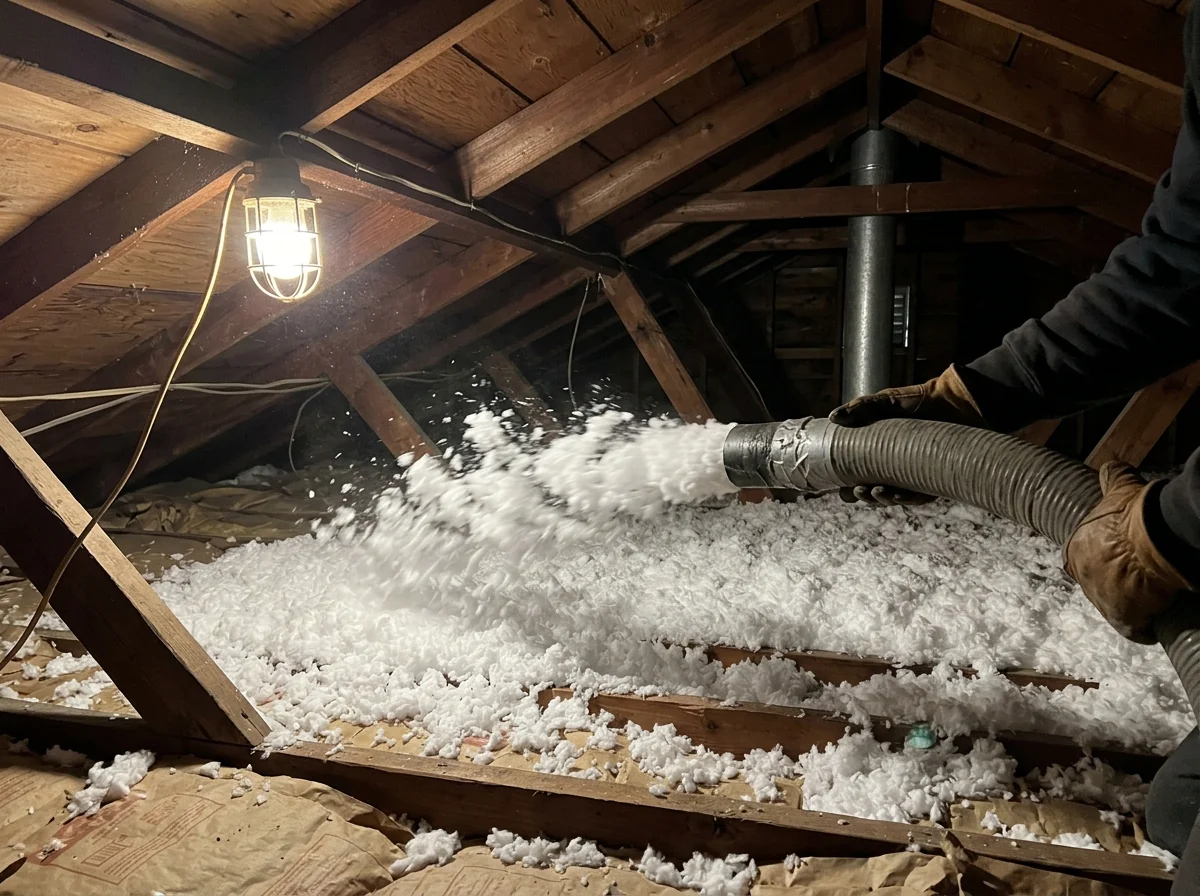
Blown-In Fiberglass
Loose-fill fiberglass is blown through a hose from a machine in the truck. It fills around wiring, bracing and odd-shaped bays that batts leave gaps around. HomeGuide puts blown-in insulation at $0.90 to $2.40 per square foot, depending on the attic size, the target R-value, and how much damming and air sealing the job needs. It's the usual choice for topping up an existing attic floor. The installer should staple depth rulers to the joists so you can see the finished depth from the hatch.
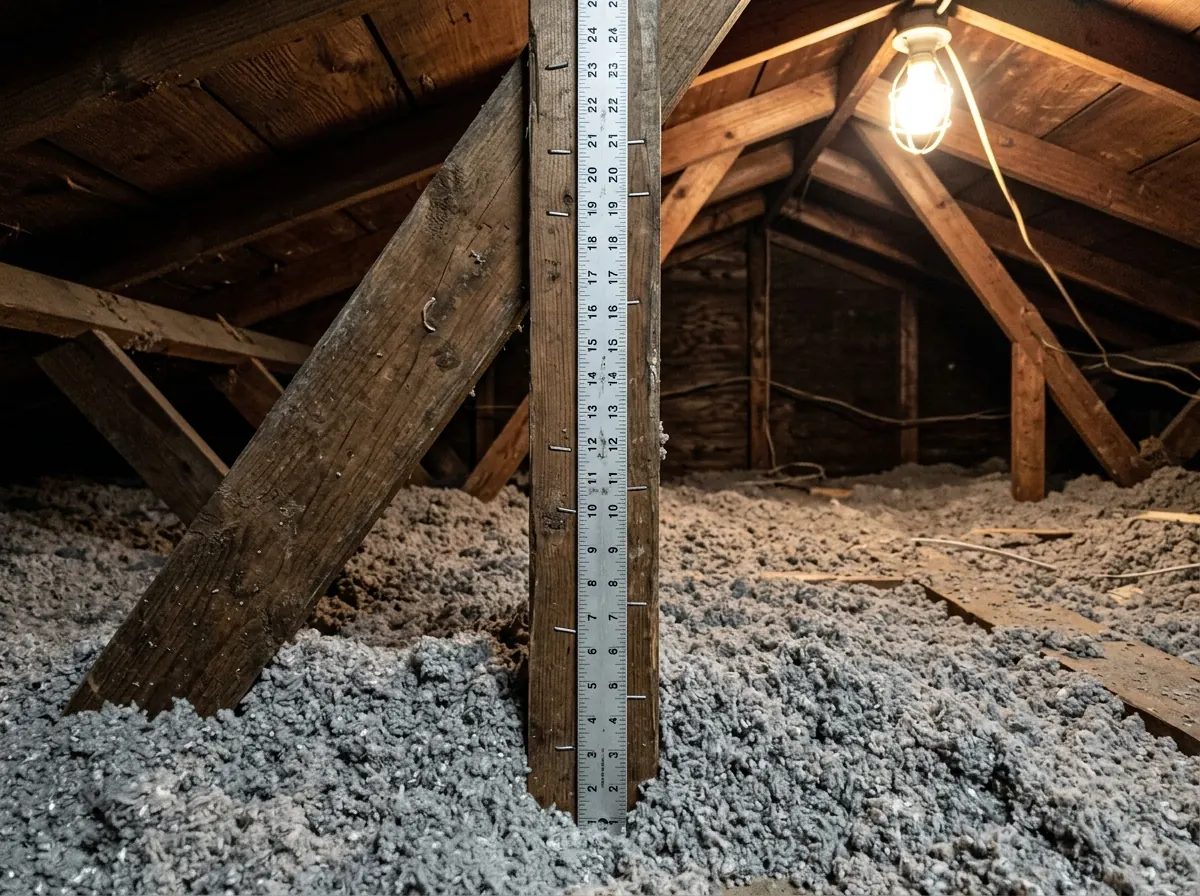
Blown-In Cellulose
Cellulose is a paper-based loose fill, blown the same way as fiberglass and priced in the same blown-in range. The bag label gives the depth needed for each R-value, and the installer should blow to that depth, not eyeball it. Fiberglass and cellulose both work. What matters more is that the attic floor is sealed first and the depth hits the target everywhere, including out at the eaves.
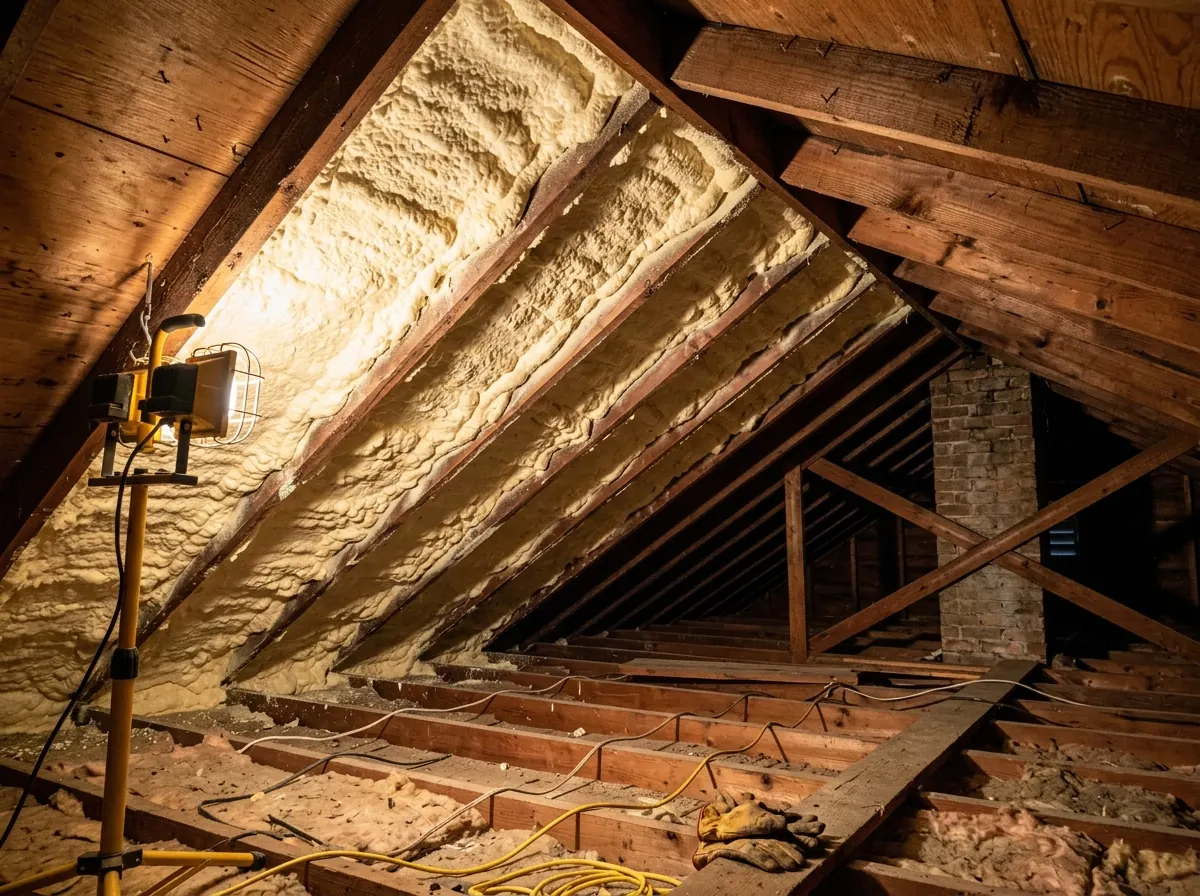
Spray Foam at the Roof Deck
Spray foam on the underside of the roof deck moves the insulation from the attic floor to the roof itself. The attic then becomes part of the heated space, and the soffit and ridge vents are closed off. That suits an attic full of ductwork or a finished half-storey. Foaming the rafters and roof deck runs $1,500 to $9,000. It's a different design, not a stronger version of the vented attic, so it needs to be planned with the roofer, not added on its own.
Attic Air Sealing
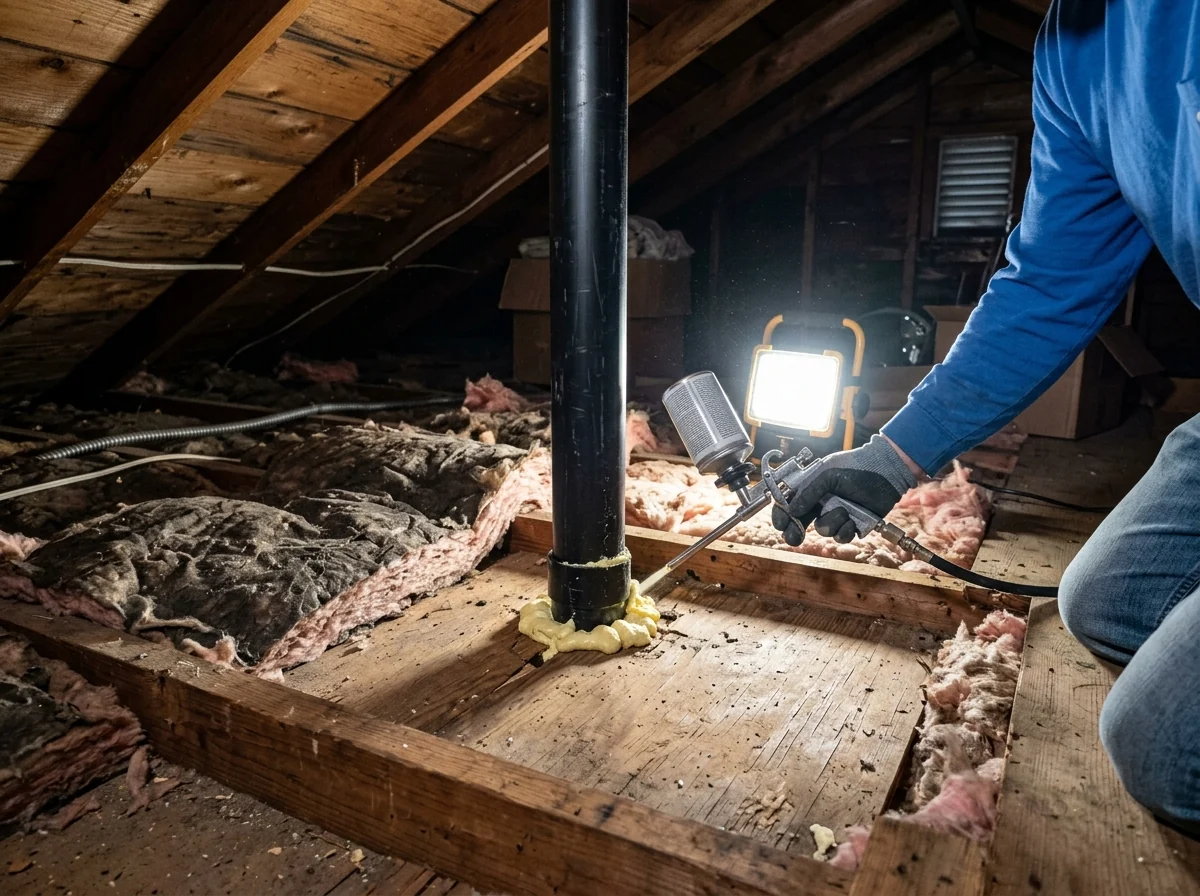
Insulation slows heat. It doesn't stop air. ENERGY STAR's air sealing guide lists where warm house air gets into the attic: behind and under kneewalls, the attic hatch, wiring and plumbing holes, dropped soffits open to the attic, recessed lights, and the furnace flue or duct chase, where a metal dam keeps insulation away from the hot pipe. EPA recommends sealing before insulating, because once ten inches of fluff is on top, nobody finds those holes again. Air sealing an attic runs $350 to $3,000.
Old Insulation Removal
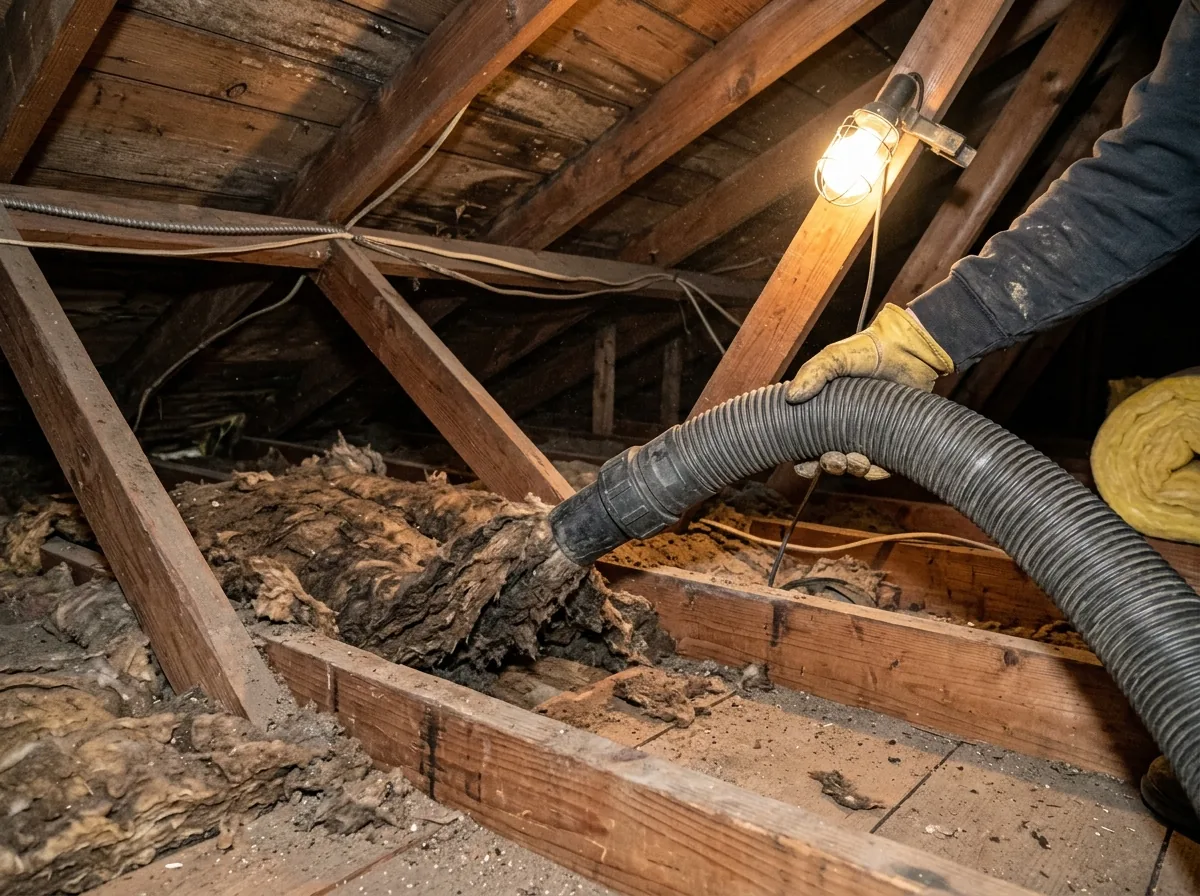
Most attics get topped up, not stripped. Removal makes sense when the old insulation is wet from a roof leak, contaminated by animals, or packed so thin that air sealing can't happen underneath it. Removal costs $1 to $2 per square foot. One material is a special case: vermiculite, the gray-brown pebbly fill found in some older attics. EPA says to assume it contains asbestos and not disturb it. Removal is a job for a professional asbestos contractor, not an insulation crew with a vacuum.
Baffles and Vent Chutes
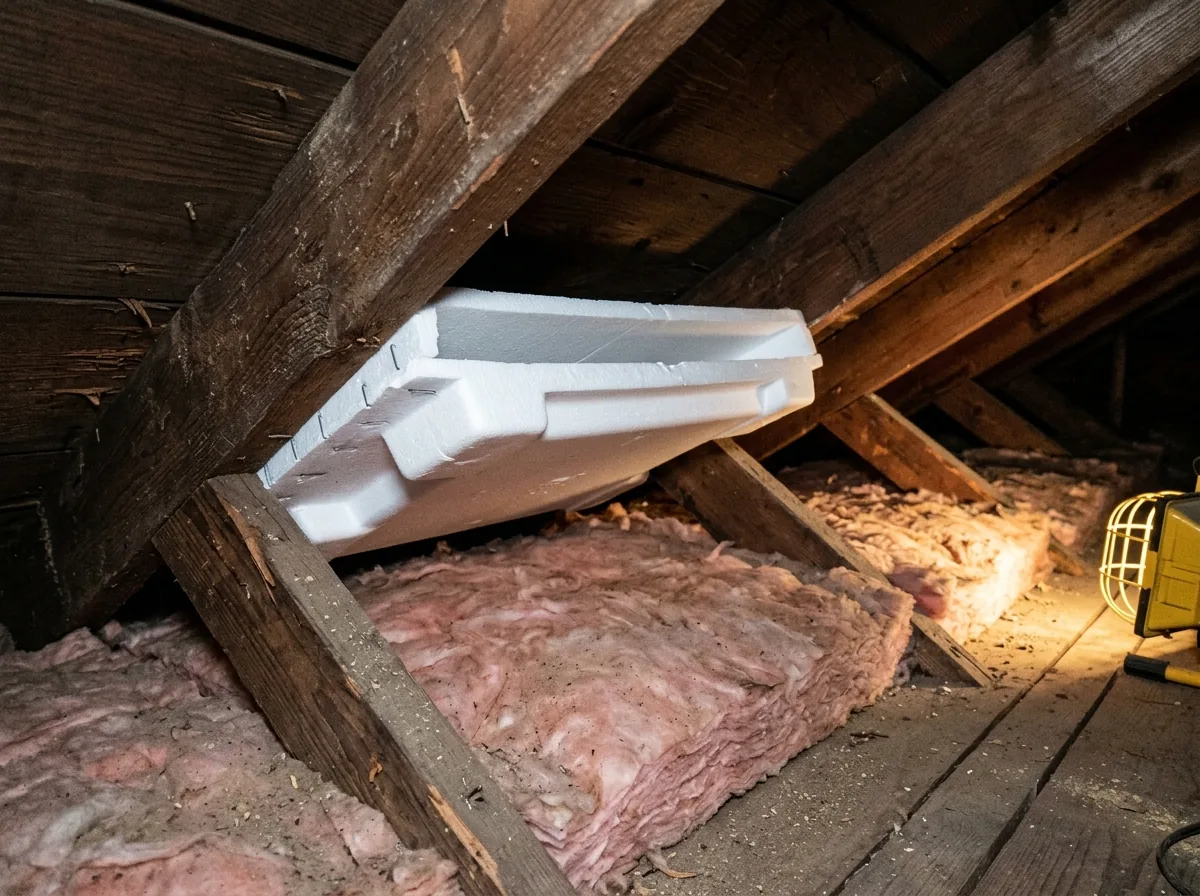
Baffles, also called rafter vents, are foam or cardboard chutes stapled between the rafters at the eaves. They hold an open path from the soffit vents into the attic, so new insulation can go all the way out to the wall without blocking airflow. Burying a soffit vent is the one mistake ENERGY STAR puts in capital letters, and the model residential code (IRC R806.3) wants a clear inch or more above the insulation where the vents are. Baffles cost $2 to $3 each, among the cheapest parts of the job, and they matter for the roof ventilation above.
Why Southfield homeowners call Southfield Elite Roofing
- Free roof inspection
- Written scope and price before work starts
- One local roofing contractor per request
- Southfield homes and buildings only
- No fee for homeowners
How Much Attic Insulation a Southfield Home Needs
Southfield is in Oakland County, which the Department of Energy's Building America county guide puts in climate zone 5A. ENERGY STAR's recommended levels for zone 5 are:
Uninsulated attic
Add to R60.Attic with 3 to 4 inches already
Add R49.
ENERGY STAR bases these on the 2021 International Energy Conservation Code. For a sense of depth, NDSU Extension says northern attics need roughly 15 inches of blown-in insulation, about R-50. The bag chart for the product used gives the exact depth for each R-value.
Attic Insulation Cost
Across a whole job, the same guide puts attic insulation at $1 to $4 per square foot installed, with an average job of $1,000 to $2,700. Small attics start around $500 and large ones run up to $6,000. Air sealing, removal and baffles are priced separately in the guide (figures in the sections above), so ask for each as its own line. Local utilities sometimes offer rebates on air sealing and insulation, and ENERGY STAR suggests checking with yours before the work starts.
Check These Before Insulating a Southfield Attic
Half of Southfield's housing dates from 1969 or earlier (the median build year in the 2024 Census ACS), so most attics here have had more than fifty years to collect problems. ENERGY STAR recommends a professional look before insulating if any of these turn up:
Wet or stained insulation
It points to a roof leak. Fix the roof first, see roof leak repair.Bath, kitchen or dryer vents ending in the attic
Mechanical exhaust belongs outside the house under IRC M1501.1; an attic or soffit doesn't count.Vermiculite
Leave it alone and call an asbestos professional, per EPA.Recessed lights
Check each fixture for an IC rating before insulation covers it.Mold or rotted rafters
These are moisture problems that more insulation would hide.Little or no attic ventilation
Add intake and exhaust before closing the floor up with more insulation.