
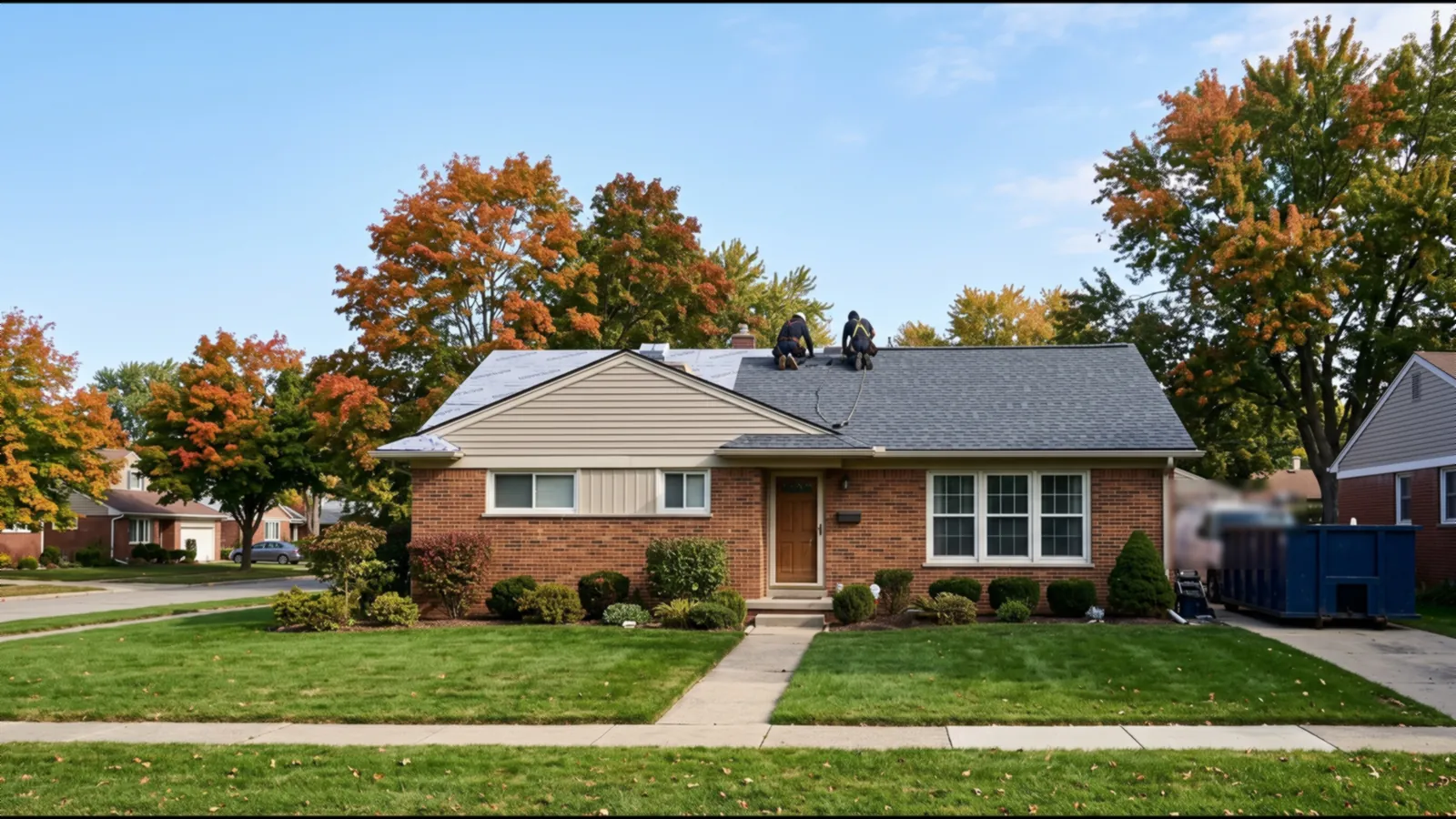
Ice Dam Removal and Prevention Services
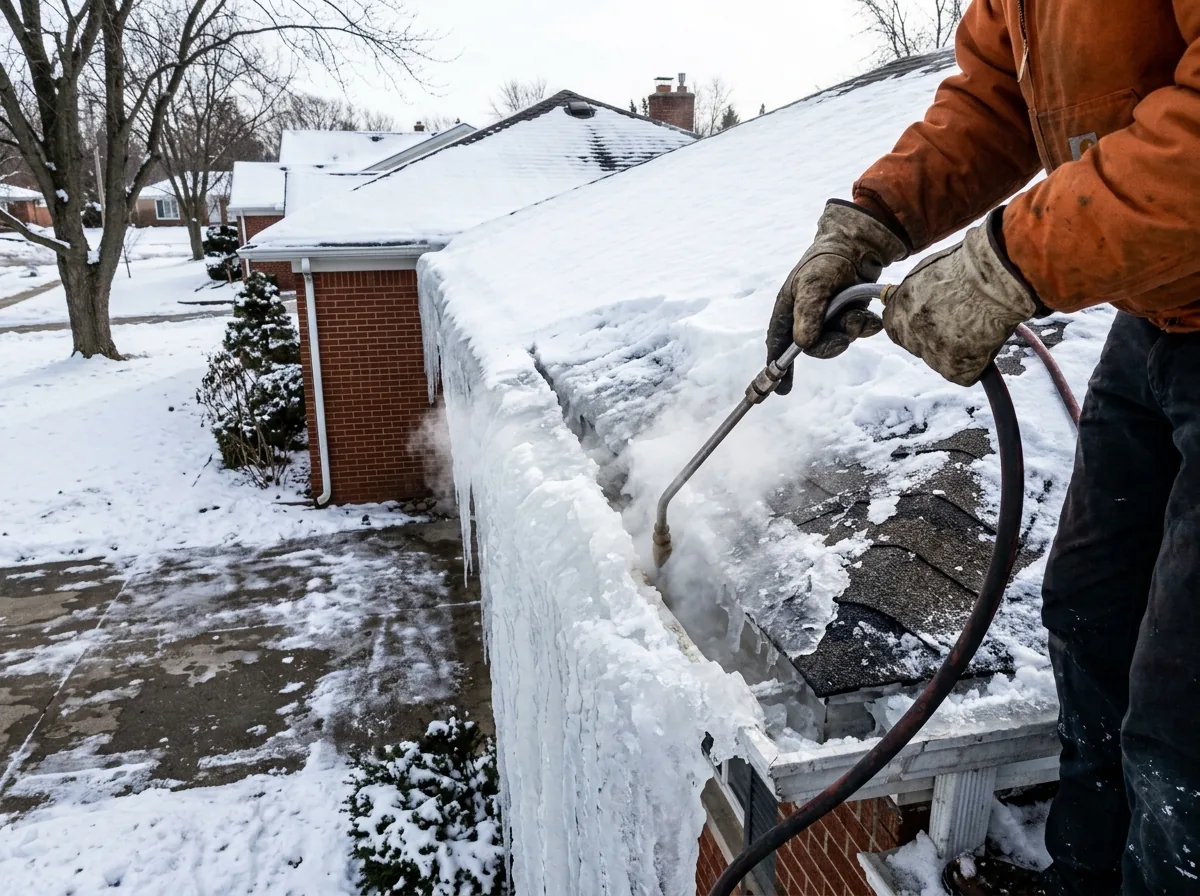
Steam Ice Dam Removal
HomeGuide's ice dam guide calls low-pressure steam the safest and most effective removal method. Professional steamers heat water to about 290°F and spray it through a specially designed nozzle that melts the ice down to the shingles without hammering them. A pressure washer works differently: it blasts the ice with high-pressure water, which is force rather than heat. A crew usually clears the snow above the dam first, then cuts channels through the ice so the backed-up water can drain, then takes the dam down in sections. It's a ladder-and-harness job in freezing weather. Nobody should be on an icy roof with a hatchet.
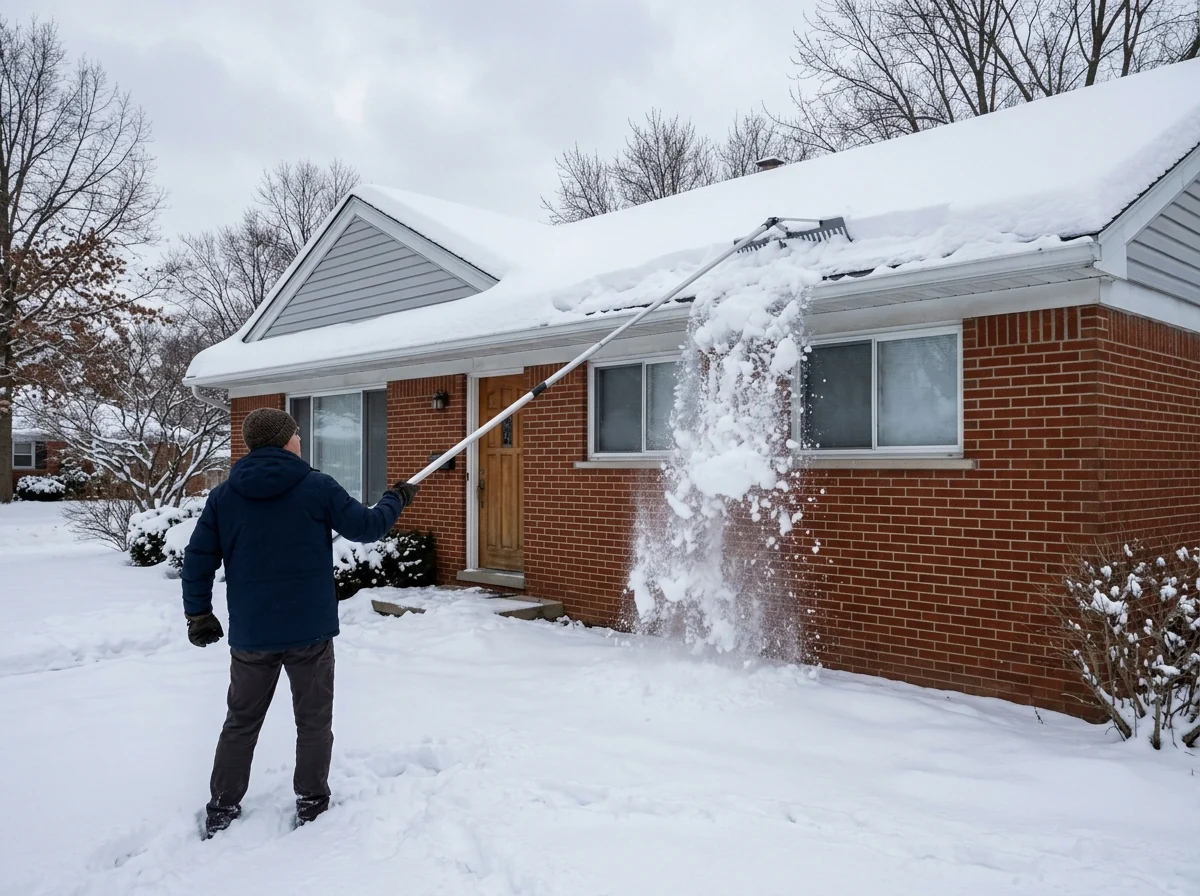
Roof Snow Removal (Raking)
Pulling the lower few feet of snow off the roof after a storm takes away the snow that would melt and feed the dam. NDSU Extension recommends a roof rake so you don't have to get on the roof, and warns to watch for overhead power lines. University of Missouri Extension adds: take care not to damage the roofing, and leave roof work itself to professionals. On a two-storey house or a steep roof, a contractor can clear snow with soft tools that won't scrape the shingles.
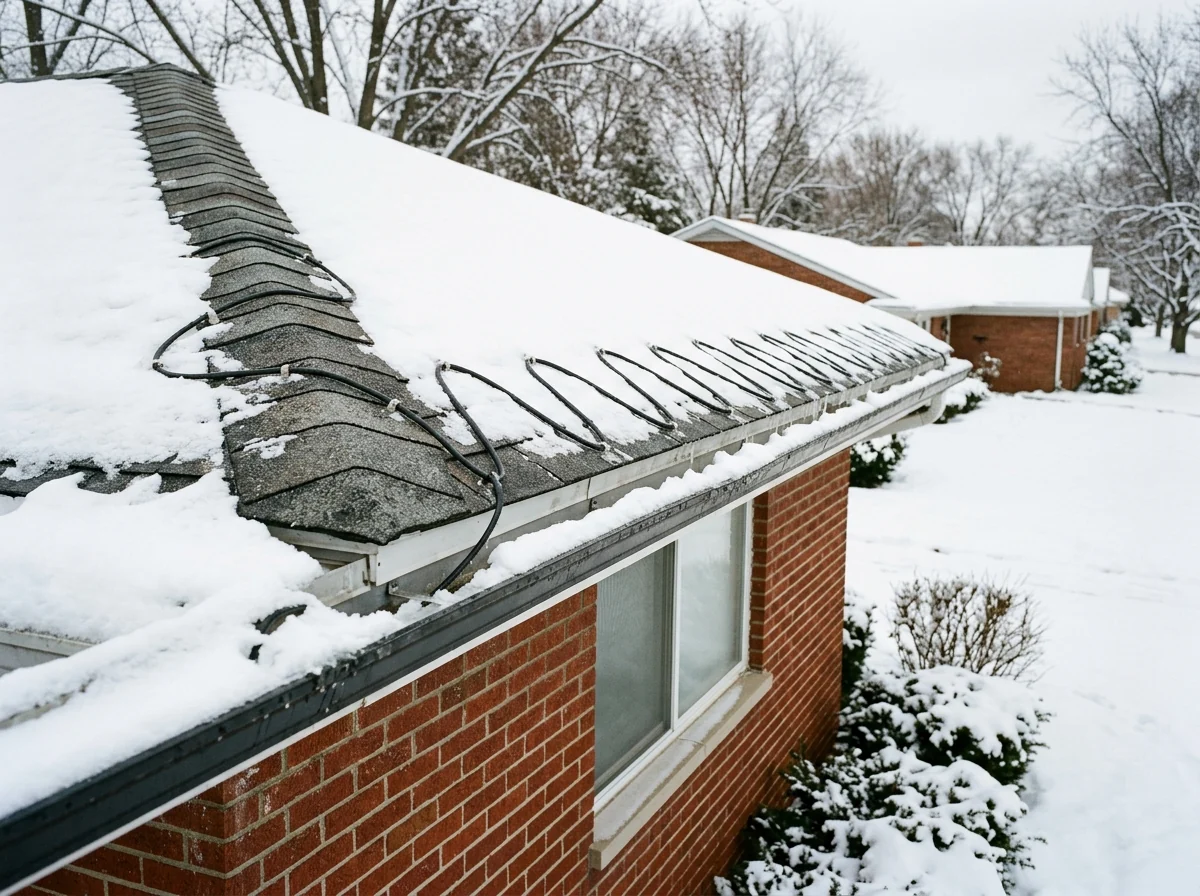
Heat Cable Installation
Heat cable runs in a zig-zag along the eave and down through the gutter and downspout. It keeps a melt path open so water can drain through a dam instead of backing up. It doesn't remove the reason the dam forms. NDSU Extension says homeowners use things like heat tape to treat the symptoms instead of preventing the problem. That makes it a fair choice for one stubborn spot you can't fix from the attic, like a valley over a porch or the eave under a cathedral ceiling, and a poor substitute for air sealing across the whole house. Use a cable listed for roof and gutter de-icing, installed to the maker's instructions, on a proper outdoor circuit.
Ice Dam Leak Repair
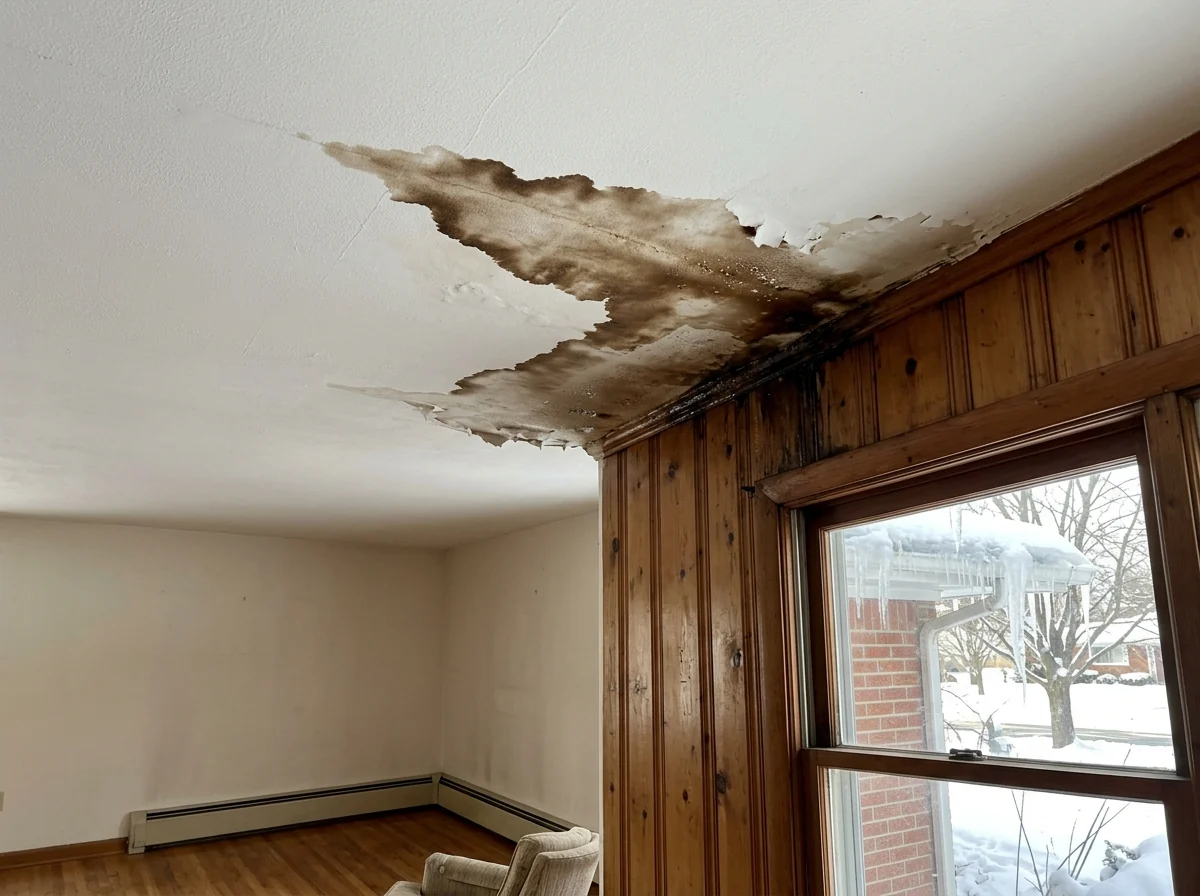
Leaks from an ice dam show up near exterior walls, along the top of windows and at ceiling corners, often days into a cold spell. Once the ice is gone, the repair has three parts. The contractor checks the deck at the eave for soft wood, then dries out or replaces wet insulation, which ENERGY STAR flags as a sign of a roof leak. Last comes the interior. If the roof is due for replacement anyway, the lasting fix is a membrane at the eaves (see ice and water shield installation). Take photos of the ice and the stains before anything is cleaned up, in case you file an insurance claim.
Attic Heat-Loss Fixes That Stop Ice Dams
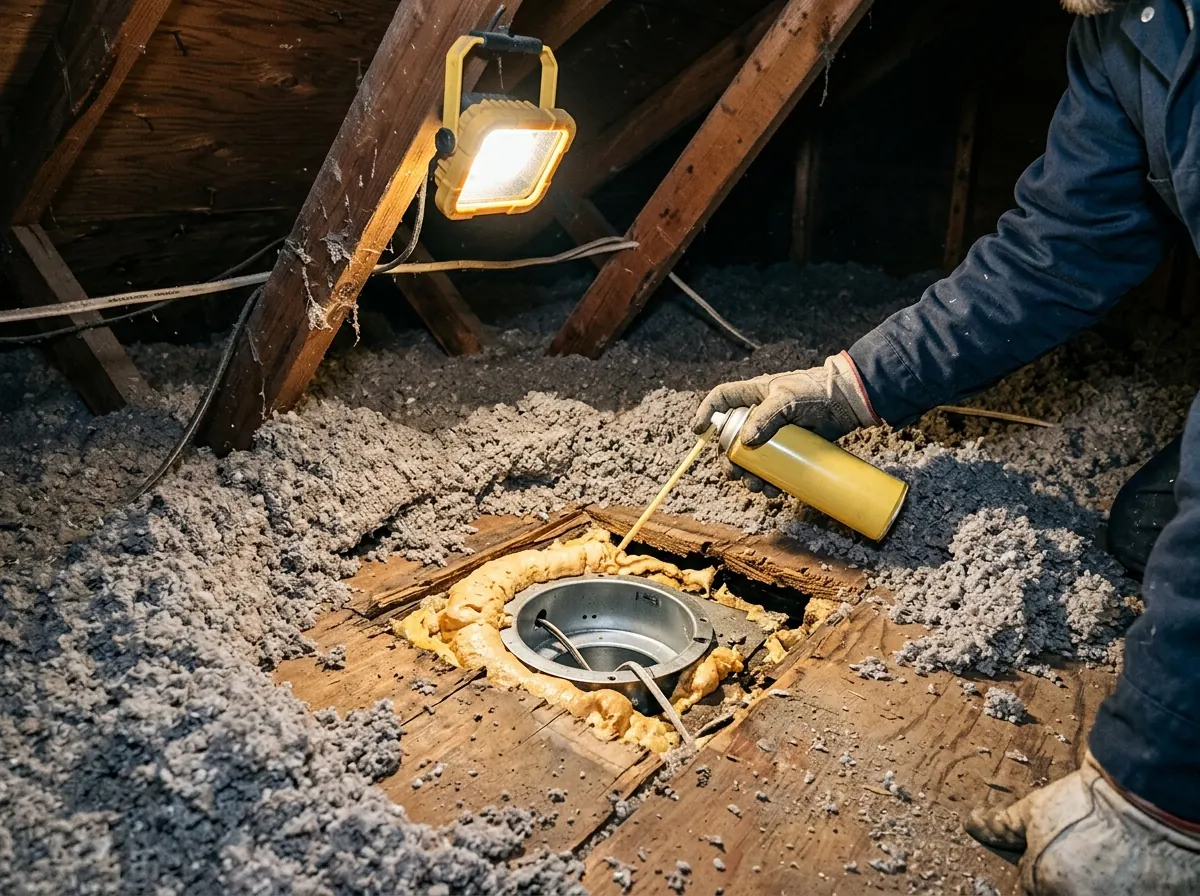
NDSU Extension names heat loss from the house into the attic as a major cause of ice dams. Snow over the warm part of the roof melts, runs down, and freezes again once it reaches the overhang. MU Extension's list of gaps to plug is short: around plumbing vents, wiring, recessed lights and chimneys. ENERGY STAR's attic guide adds the hatch, kneewalls, dropped soffits and duct chases, and says to seal before adding insulation. Then ventilation: ENERGY STAR explains that outdoor air moving through the attic keeps it cold and cuts ice damming. Details are on the attic insulation and roof ventilation pages.
Why Southfield homeowners call Southfield Elite Roofing
- Free roof inspection
- Written scope and price before work starts
- One local roofing contractor per request
- Southfield homes and buildings only
- No fee for homeowners
Ice Dam Removal Cost
HomeGuide's October 2025 guide, national figures and estimates only:
Steam removal
$800 to $2,400, the most expensive method and the one it rates safest.Hourly labor
$100 to $600 per hour for professional ice removal, highest in urban areas.
Removal is a cost you can pay every winter. Air sealing and insulation is usually a one-time cost, and HomeGuide's attic insulation guide puts air sealing alone at $350 to $3,000.
Why Southfield Houses Get Ice Dams
By the National Weather Service's Detroit normals, January in Southfield averages 32.3°F for a high and 19.2°F for a low, and the season brings about 45 inches of snow. A month of days near freezing gives a warm roof plenty of chances to melt snow by day and refreeze it at the eave by night. Housing age adds to it. Southfield's median year built is 1969 (Census ACS 2024), and attics that age often have recessed lights, a bath fan or an open chase leaking warm air into a thinly insulated space.
What to Do When an Ice Dam Forms
- 1
Stay Off the Roof
Don't climb an icy ladder or chip at the ice. NDSU Extension's advice is to stay off the roof, and MU Extension calls roof work a job best left to professionals.
- 2
Rake What You Can Reach
From the ground, pull the lower snow off with a roof rake, away from power lines.
- 3
Give the Water a Way Out
MU Extension describes running warm tap water from a hose to cut a channel from the bottom of the dam upward. It notes the channel stops working within days, so treat it as a stopgap.
- 4
Catch and Record the Leak
Put a bucket and plastic under drips, and photograph the ice, the eave and the ceiling.
- 5
Book Steam Removal, Then the Attic
Get the dam steamed off, then have the attic checked for the air leaks and thin insulation that caused it.