
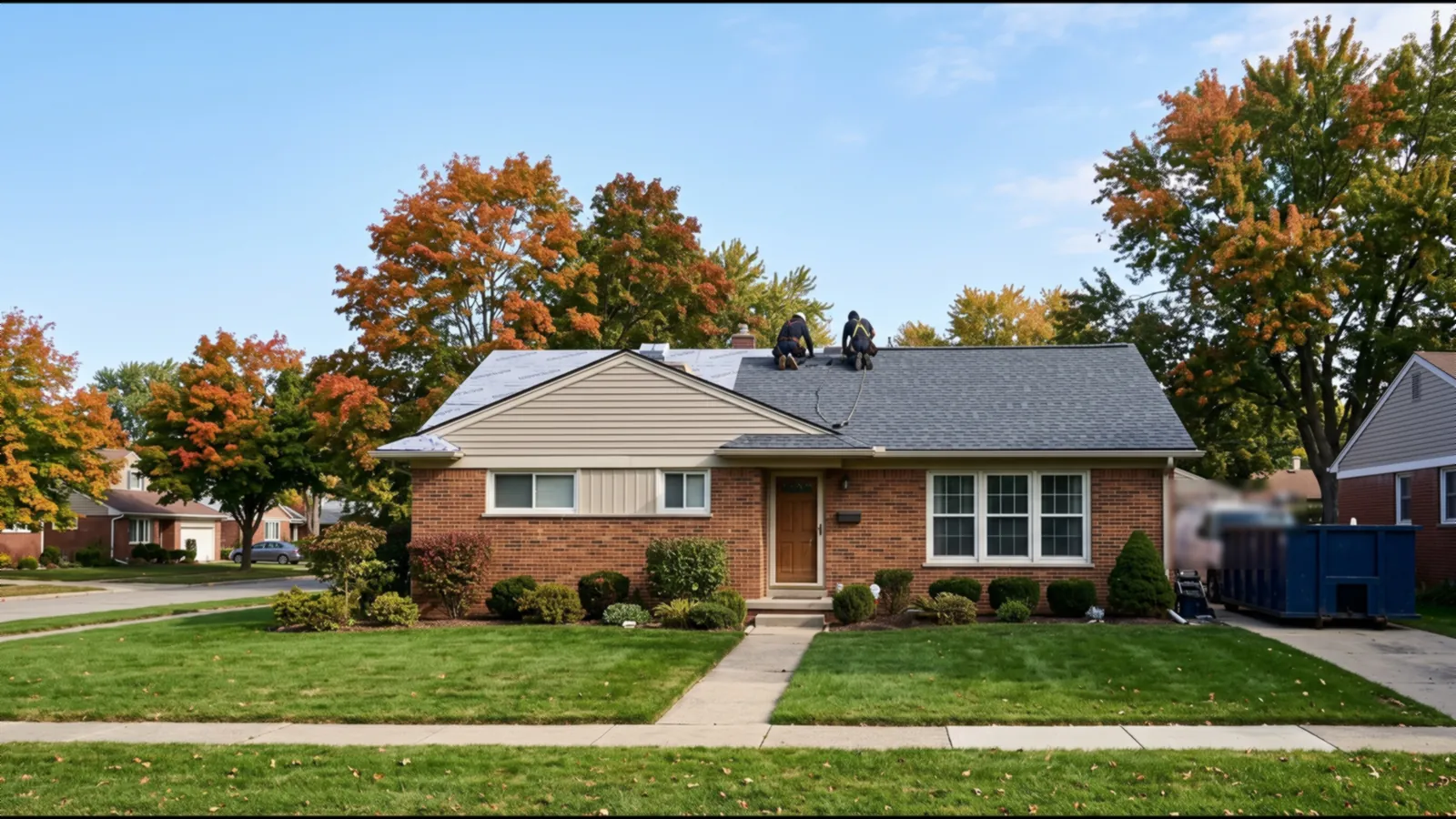
Roof Coating Types
Coatings extend an existing roof rather than replace it. Installing or replacing a membrane is covered on flat roofing, and larger buildings on commercial roofing.
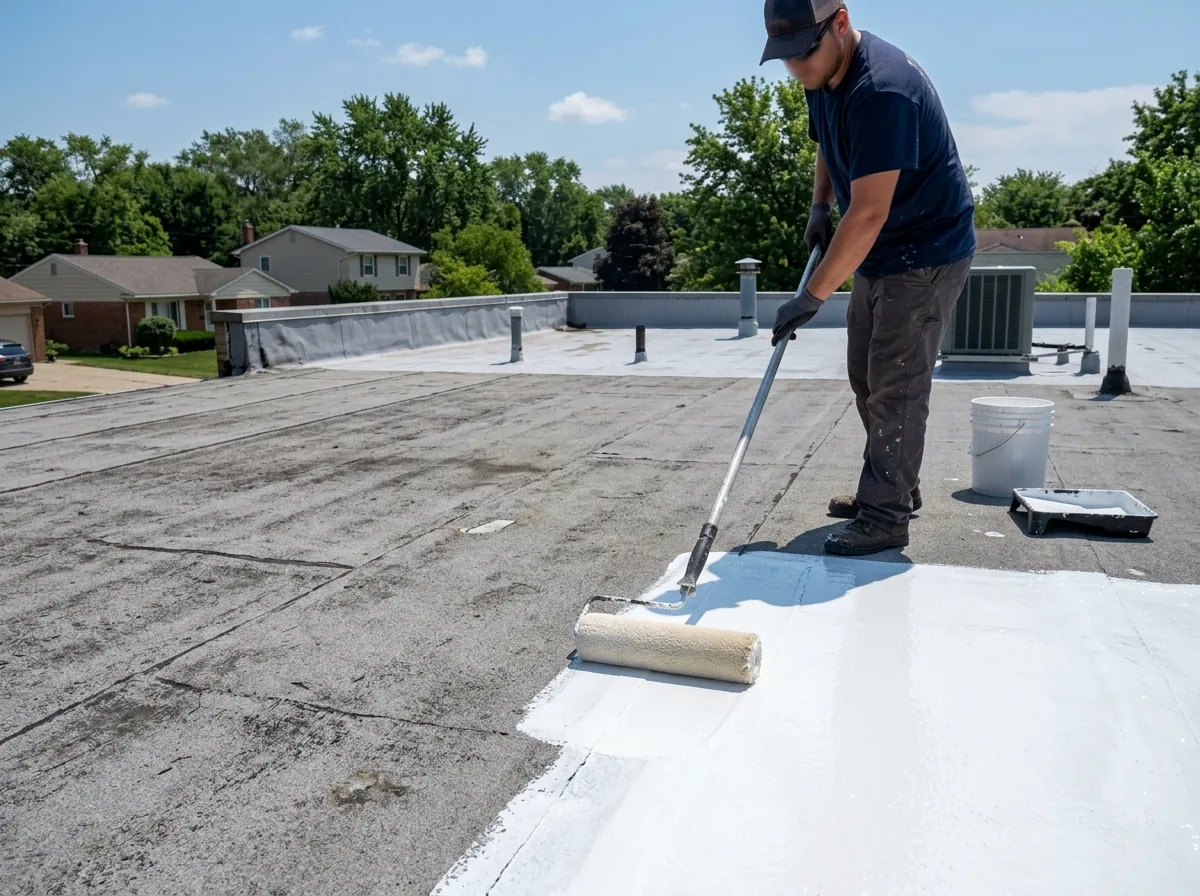
Silicone Roof Coatings
Silicone is the coating for roofs that hold some water. Western Colloid, a coating manufacturer, writes that silicone coatings can sit in ponding water, while acrylics may curl or peel there. That doesn't make ponding harmless. The same article warns the membrane underneath may not hold up even when the coating does. Henry's installation instructions for its silicone system show how much prep comes before the first coat: the contractor must verify the old roof is dry and leak-free, run adhesion tests (primer if a test comes in low), and replace any wet insulation found in the survey.
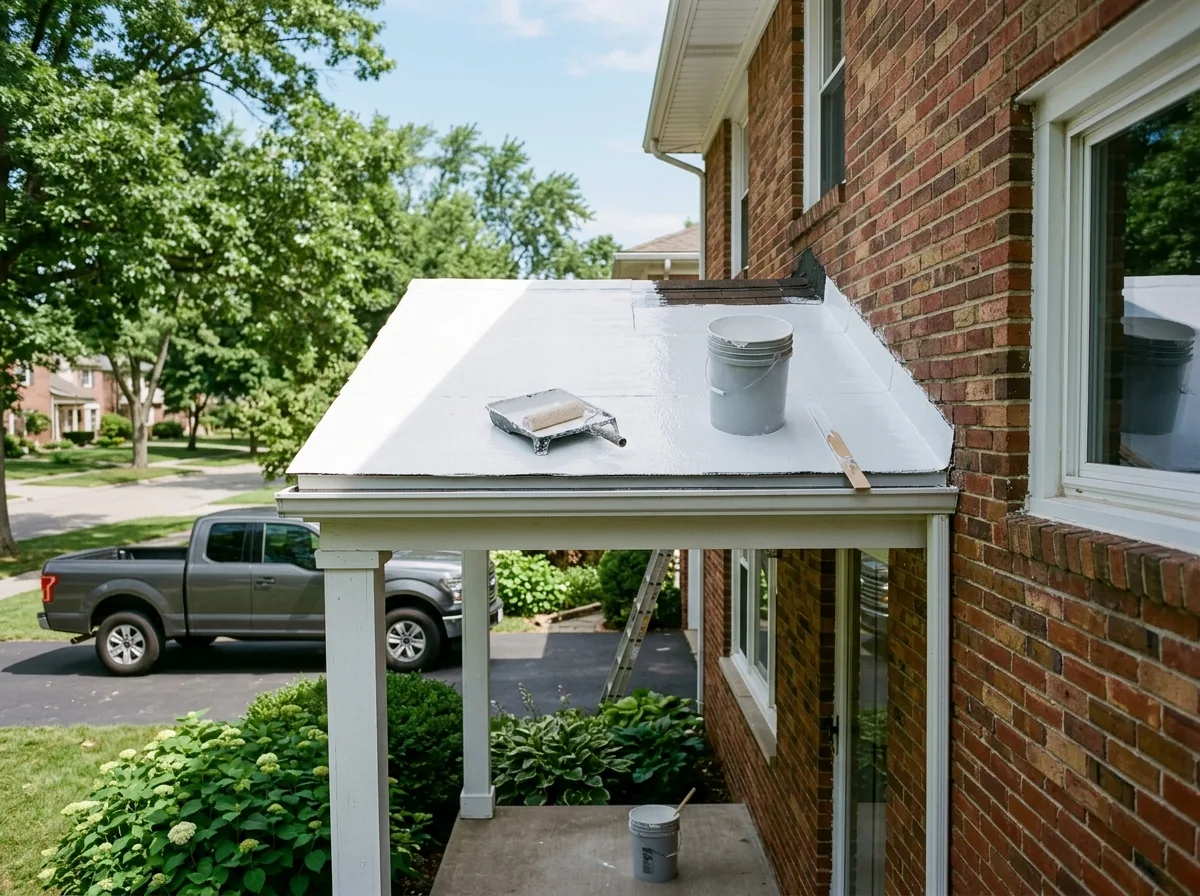
Acrylic (Elastomeric) Coatings
Acrylic coatings are water-based and stretch with the roof as it heats and cools. Western Colloid's article says they stand up to heavy rain as long as the roof drains properly. That makes them a match for roofs with some pitch and working drains. Being water-based, an acrylic needs a dry stretch of mild weather to cure, which narrows the season here. On a roof where water sits in the low spots for days, it's the wrong product.
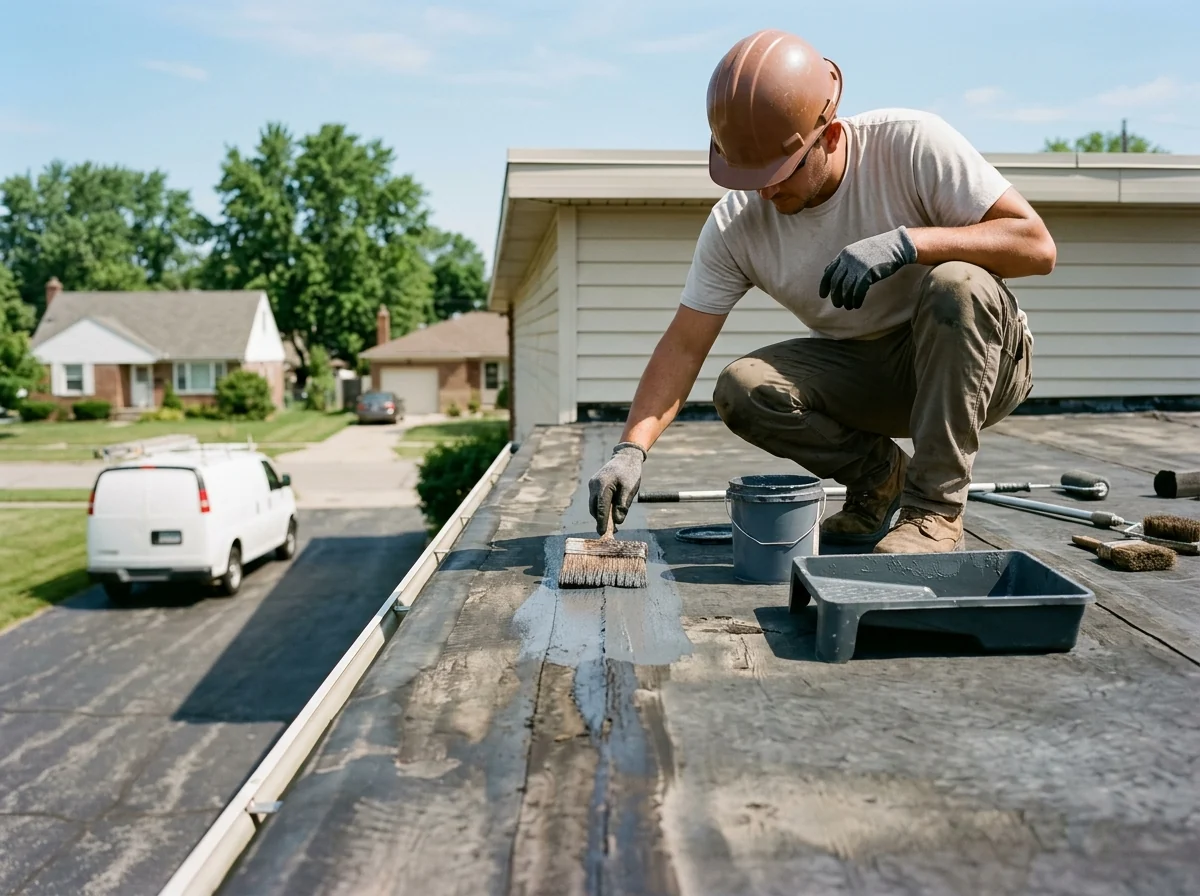
Coatings for EPDM and Modified Bitumen
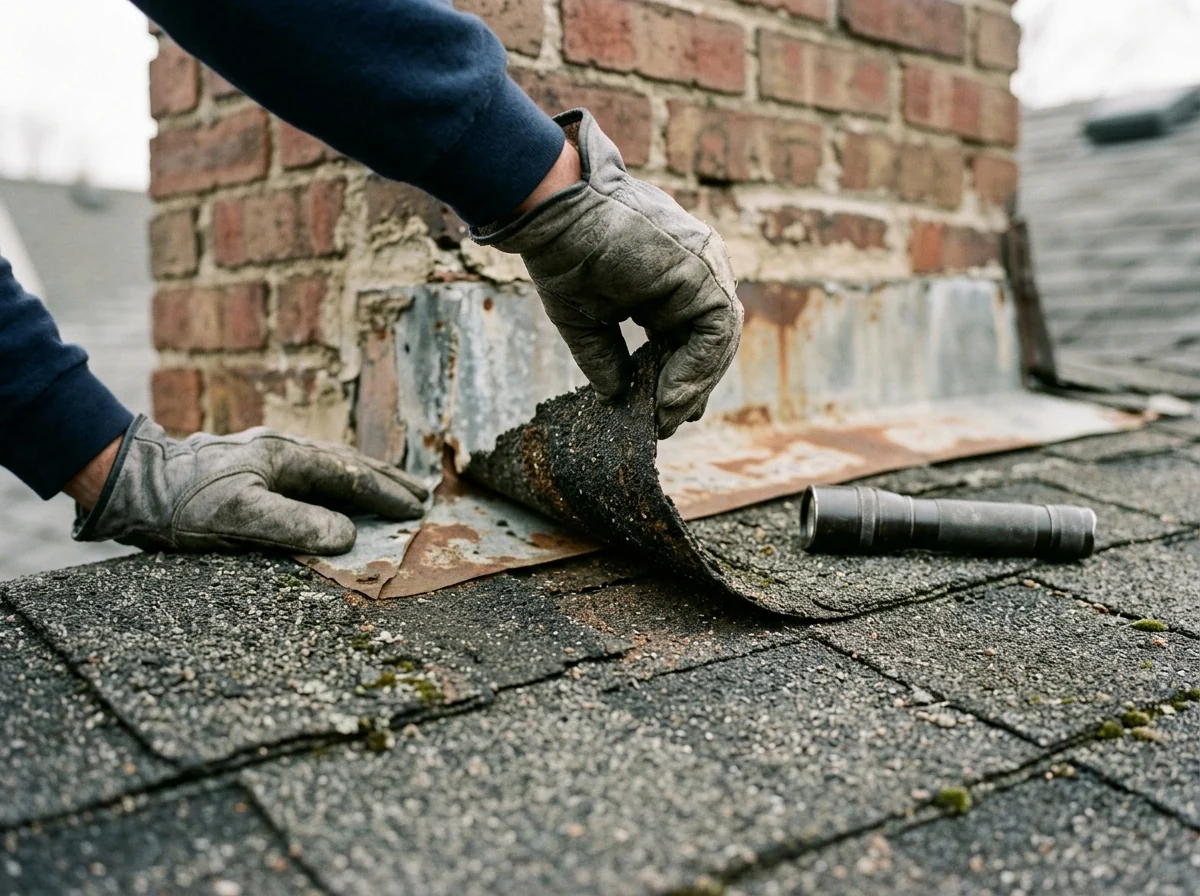
Aged rubber and modified bitumen roofs can be coated if the sheets are still attached and the insulation is dry. The prep differs by surface. Henry's silicone instructions call for adhesion tests on smooth surfaces, with a minimum pull strength, and a primer and retest if a test fails. Granulated modified bitumen doesn't need the test. Seams and laps get reinforced before the field coat goes on, and old mastic patches come off, because a coating bonds to whatever is under it, including the patch that's already failing.
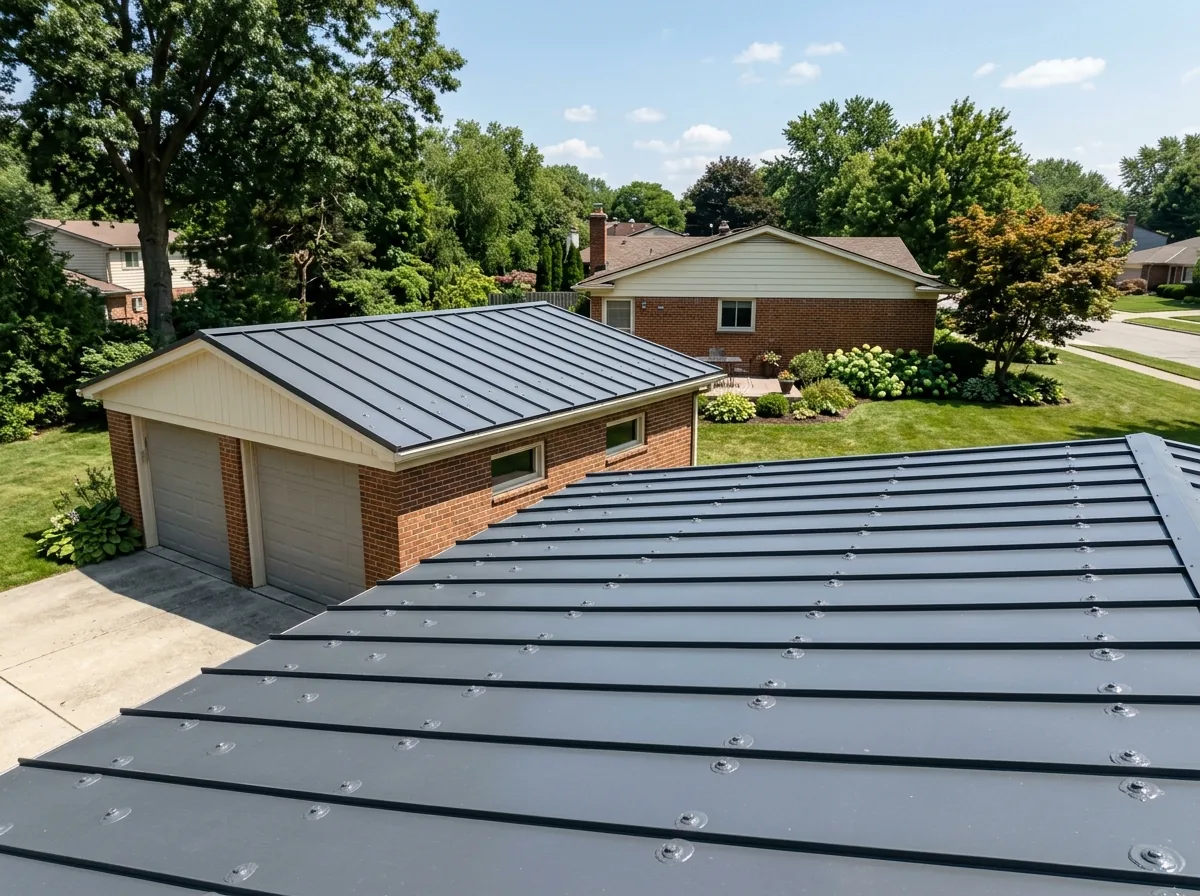
Metal Roof Restoration Coating
On exposed-fastener metal roofs, the screws and their rubber washers are the usual weak point, so restoration starts there. Henry's instructions say to tighten fasteners and replace loose ones with larger-diameter screws. Rust is cleaned down to a smooth surface, and seams and fasteners are pretreated before the full coat. One budgeting detail from the same instructions: ribbed metal has more surface than its footprint, so coating quantities get a 15 to 30 percent stretch factor. A quote that prices metal by the flat square footage is short.
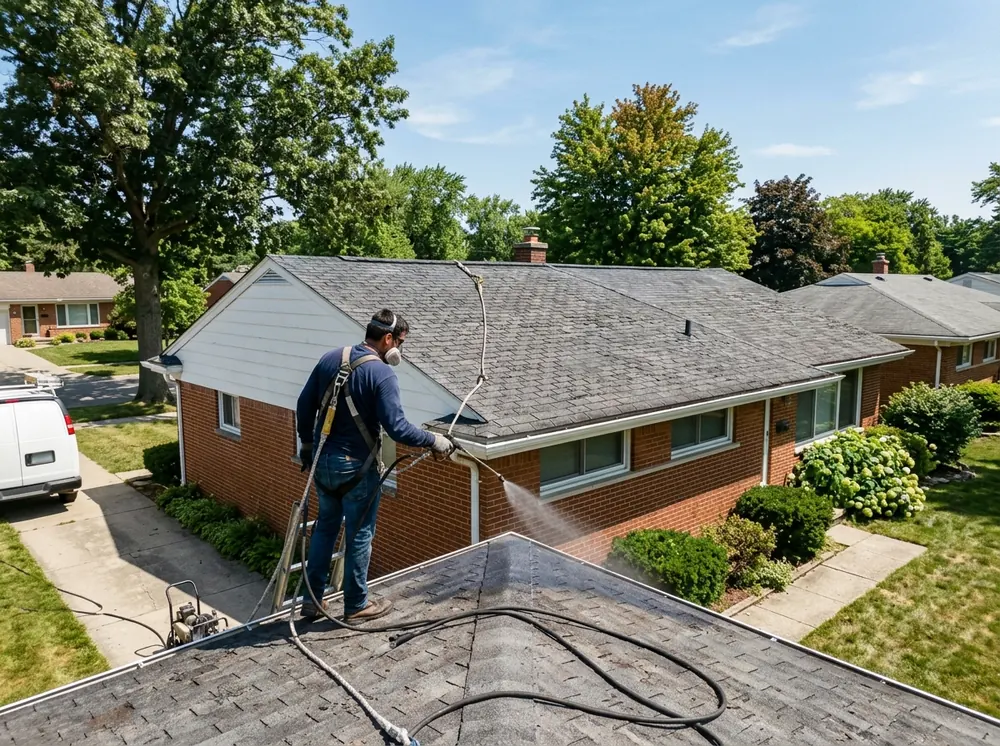
Shingle Roof Rejuvenation
Spray-on "rejuvenators" for asphalt shingles get marketed hard, so here is the industry position. The Asphalt Roofing Manufacturers Association strongly advises against field-applied coatings or rejuvenators on installed shingles. It says they may affect the roof's fire classification, algae resistance and impact resistance, that there's limited documentation of their benefits, and that many need repeat applications. Check with your shingle manufacturer before you spend money on it. If the shingles are near the end of their life, a roof inspection will tell you whether repair or replacement is the honest answer.
Why Southfield homeowners call Southfield Elite Roofing
- Free roof inspection
- Written scope and price before work starts
- One local roofing contractor per request
- Southfield homes and buildings only
- No fee for homeowners
When a Roof Can Be Coated
A coating seals in whatever is underneath, good or bad. The three checks that decide it:
Is it dry?
Henry's instructions define the moisture survey as a visual inspection plus at least one of infrared thermography, a nuclear scan or electrical capacitance/impedance testing. Wet insulation comes out and gets replaced first.Does it pond?
The Asphalt Roofing Manufacturers Association defines ponding as water that stays 48 hours or longer. Ponding areas need a silicone product or a drainage fix, such as tapered insulation, crickets or another drain.Will it stick?
Adhesion tests on the existing surface, with primer where the results call for it.
A roof that fails the moisture survey across large areas isn't a coating candidate. That's a re-roof, and a contractor who coats it anyway is selling you a few years of hidden rot.
Coating Season in Southfield
Coatings have temperature limits. Henry's silicone instructions require the roof surface to be above 35°F and rising, and at least 6°F above the dew point. In Southfield, January's average high is 32.3°F (NWS Detroit normals), so coating is a late-spring-to-early-fall job, scheduled around dry days and cool dewy mornings. A roof found leaking in winter gets a temporary repair until the weather allows the coating work.
How a Roof Coating Job Runs
- 1
Moisture Survey and Core Cuts
The roof is scanned for wet areas, and cores confirm what the scan shows.
- 2
Repairs and Wet Insulation
Wet sections are cut out and replaced, blisters and open seams repaired, and drains cleared.
- 3
Cleaning and Adhesion Tests
The roof is cleaned, rinsed of detergent and left to dry, then test patches confirm the coating bonds.
- 4
Seams, Flashing and Fasteners
Details get reinforced first: seams, penetrations, curbs and metal fasteners.
- 5
Base and Top Coats
The field coat goes on at the manufacturer's rate per 100 square feet, checked with a wet-mil gauge, followed by any top coat the system calls for.