
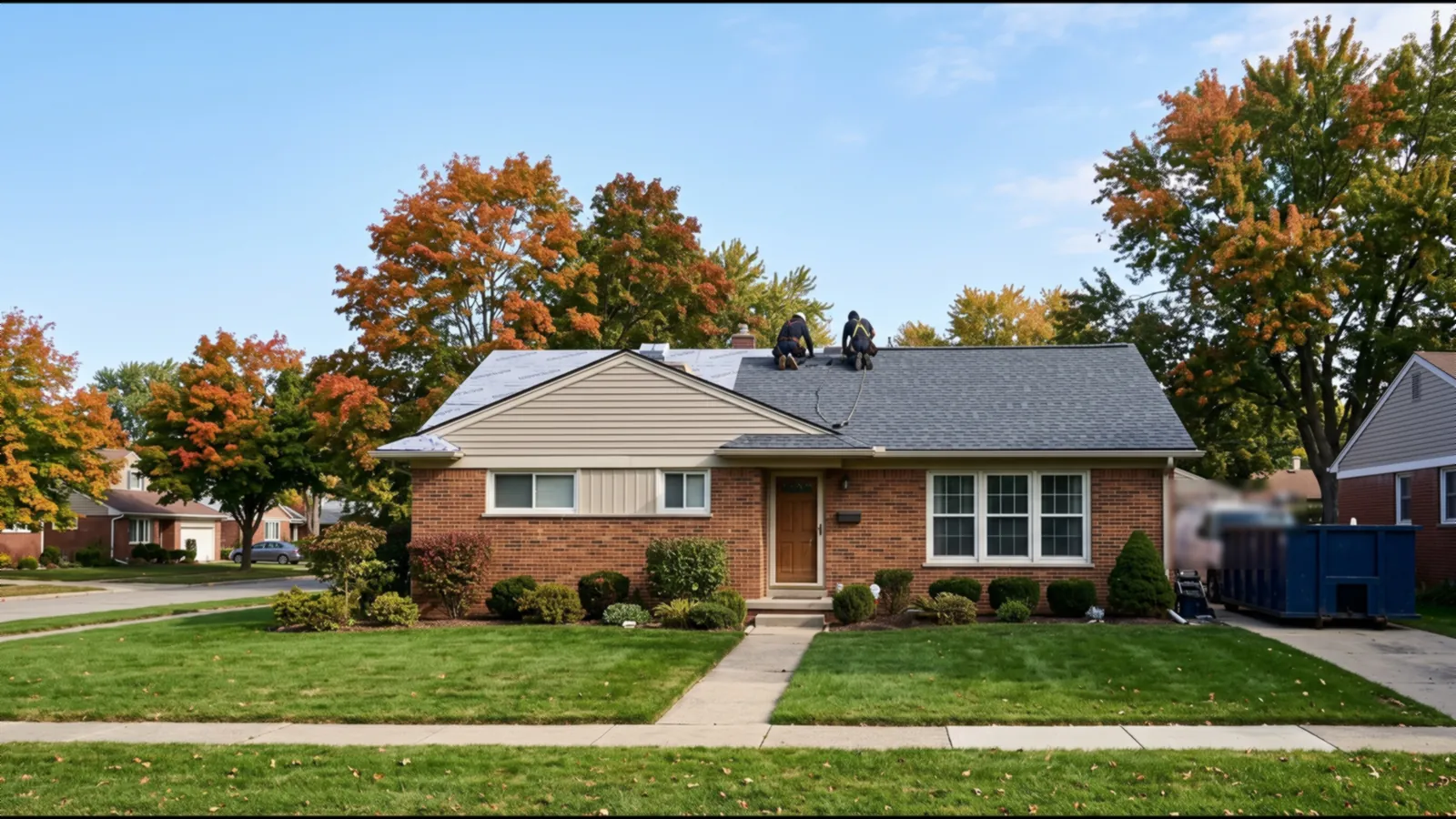
Hail Damage Roof Repair by What the Hail Hit
Hail leaves different marks on each material. These are the six checks that make up a hail inspection, and what each finding means for a repair or replacement.
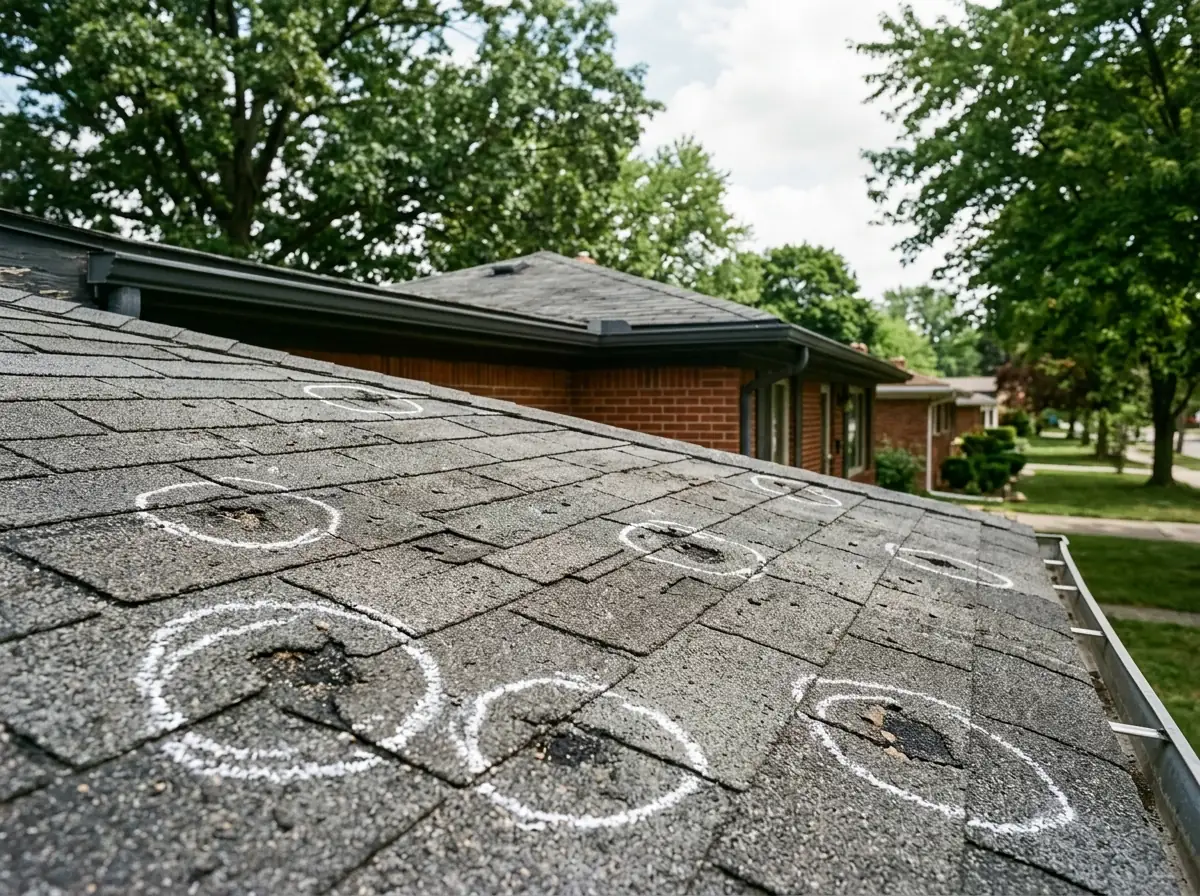
Hail Bruising on Asphalt Shingles
A hail bruise is a soft spot where the stone hit hard enough to crush the asphalt or crack the mat underneath. From a distance it's a dark dot. Under a gloved thumb it feels spongy, like a bruise on an apple. The mat crack is the real damage: it lets water in over the next few seasons, long after the storm. Hits are random. They don't line up the way blistering or foot traffic does. The roofer circles each one in chalk so it shows in photos.
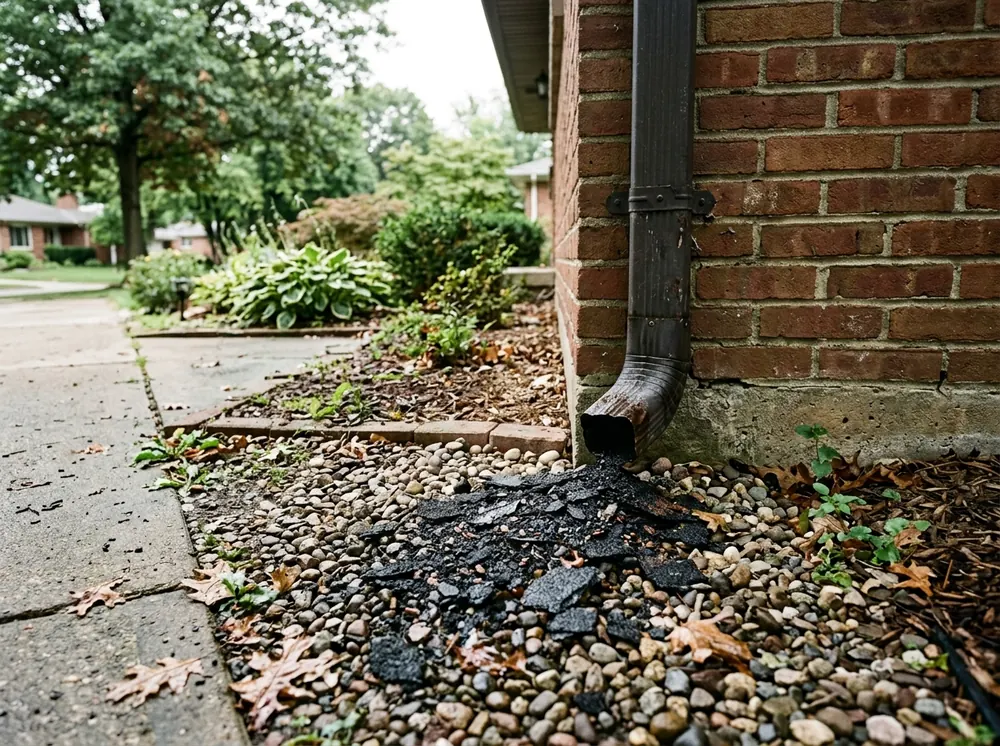
Granule Loss
Granules are the colored stone chips that shield the asphalt from the sun. Hail knocks them loose in patches, and the first place you'll see them is at the bottom of a downspout or in the gutter. Some granule shedding is normal on a new roof and on an old one near the end of its life. What points to hail is fresh, bare spots on the shingle surface that match the size of the hail that fell, and appeared right after a storm.
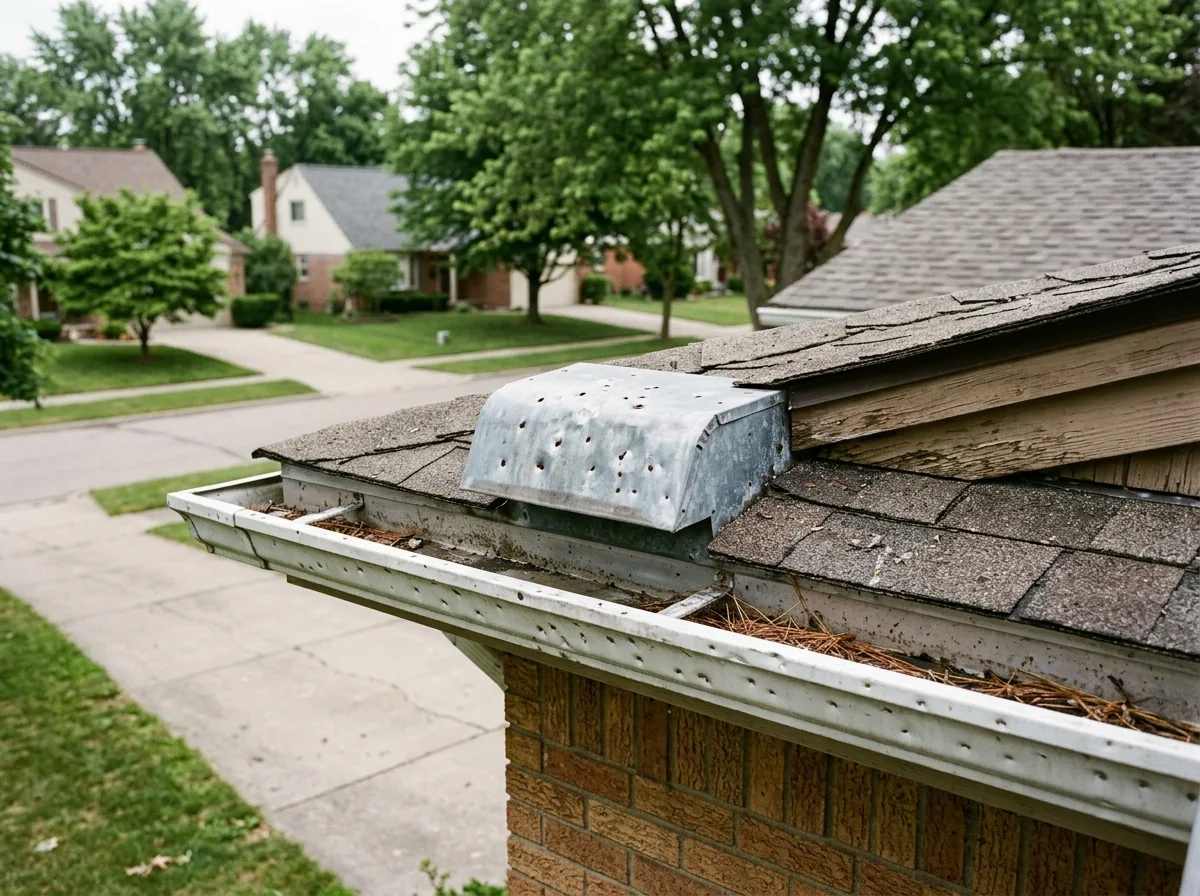
Dented Metal Roofs and Soft Metals (Vents, Flashing, Gutters)
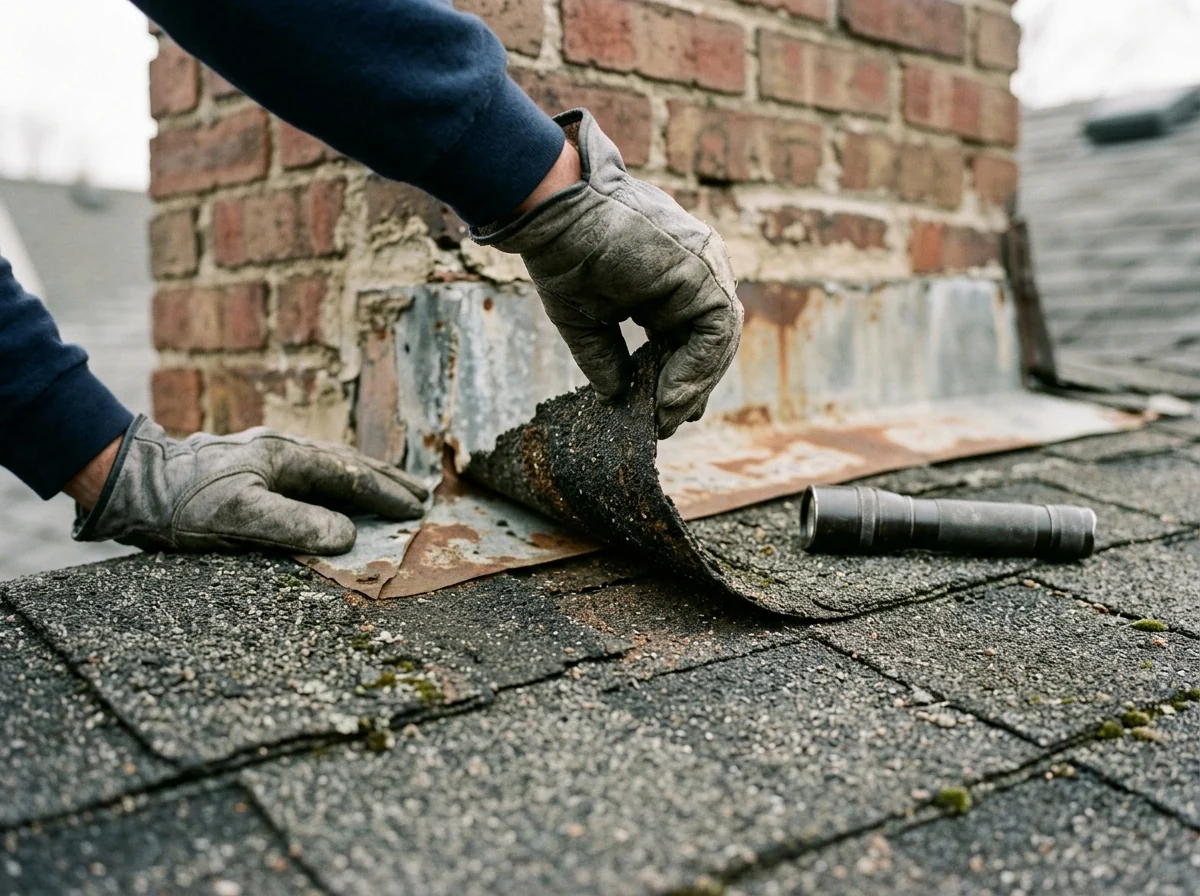
Soft metals show hail better than shingles do. Aluminum box vents, ridge vent caps, gutters, downspouts, flashing and even the fins of an air conditioner dent at each hit. A roofer measures the dents to estimate stone size and checks the shingles next to them. Dents on a standing seam or ribbed metal roof are usually cosmetic unless a seam opened or the paint cracked. Ask the adjuster how your policy treats cosmetic dents on metal, because policies differ.
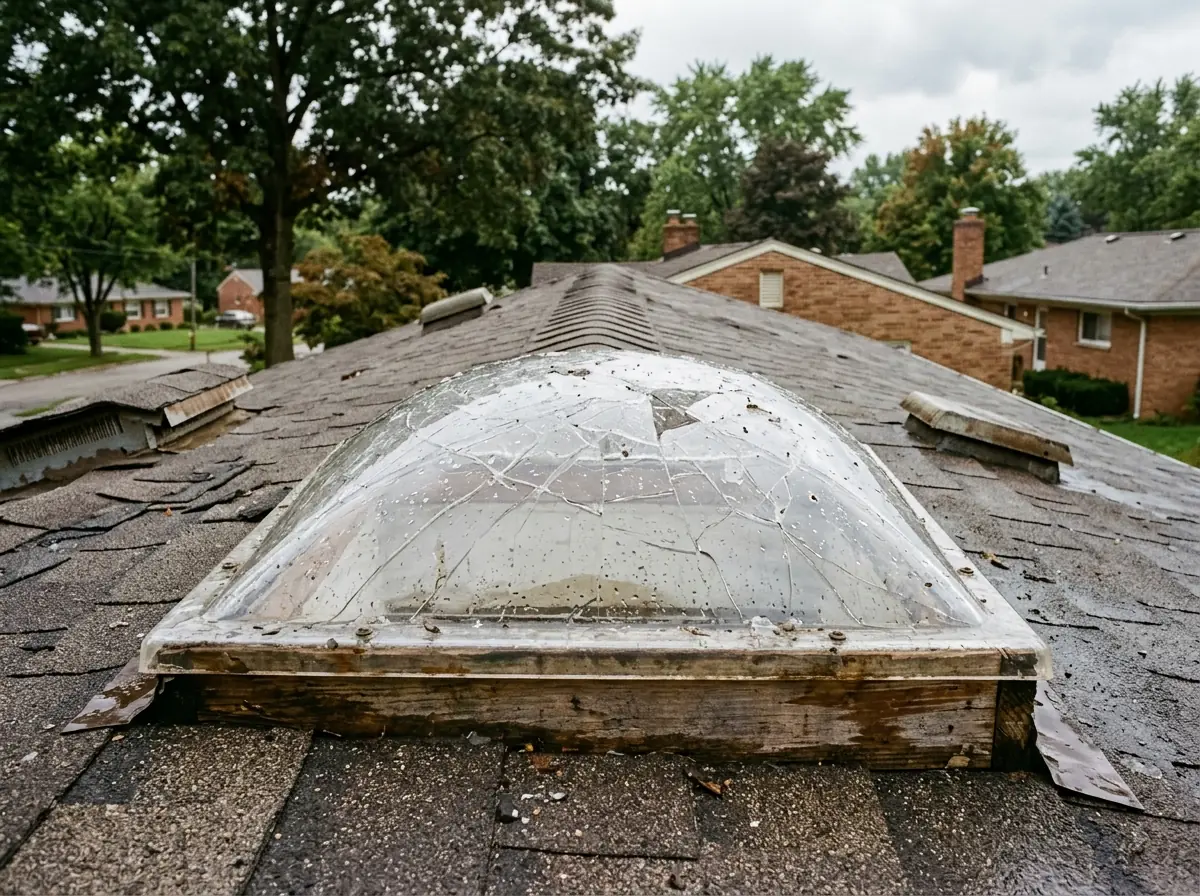
Hail-Cracked Skylights
Older acrylic bubble skylights and the plastic domes of tubular skylights crack or craze under hail. A cracked dome leaks with the next rain, so it's often the first thing to cover with a tarp. Replacing a skylight usually means new flashing around the curb too; see skylight installation and repair.
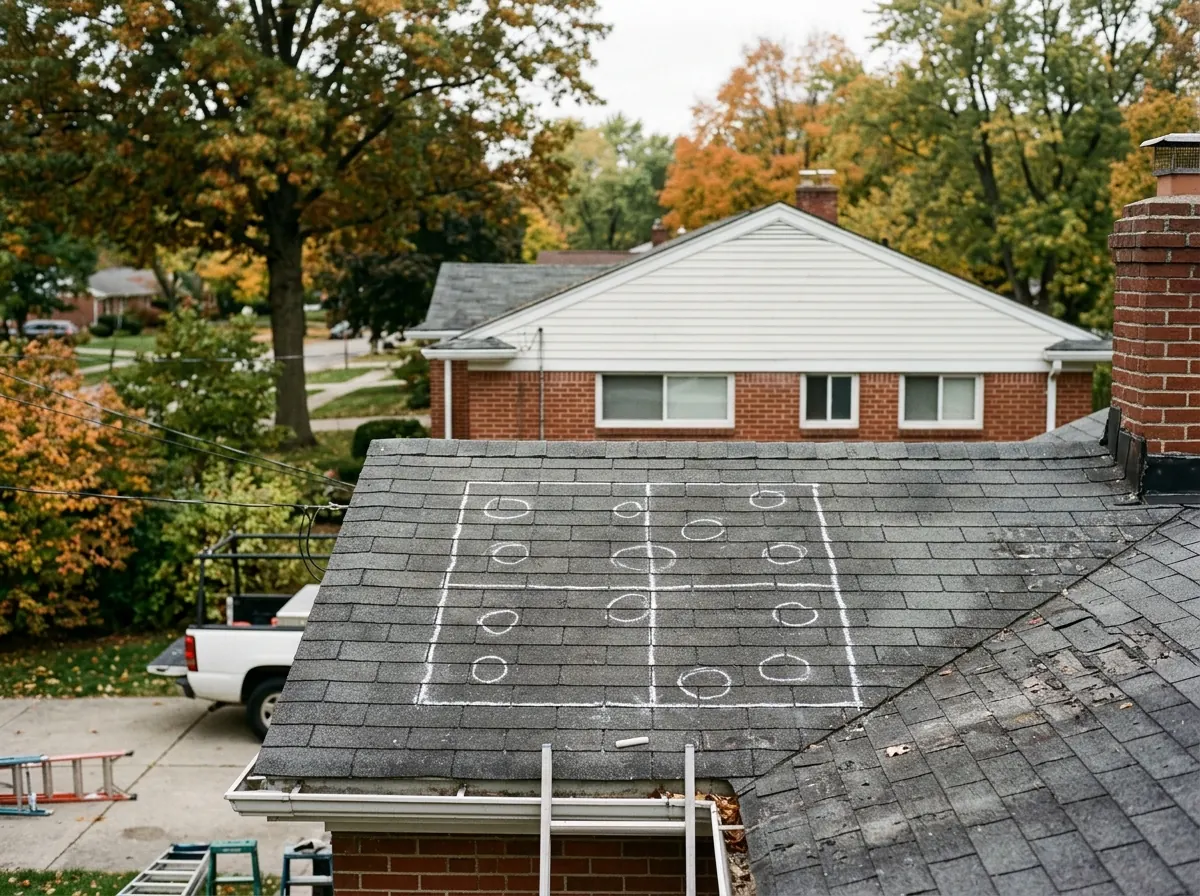
Test-Square Hail Inspection
The 10-by-10-foot test square has long been the standard way to measure hail damage. The roofer chalks a 100-square-foot box on each slope, counts the hits inside and photographs the square. Adjusters use that count when they weigh repairing a slope against replacing it. A test square is a sample, not a measure of the whole roof, and where it's placed changes the count. Ask for one on every slope, including the ones that faced away from the storm.
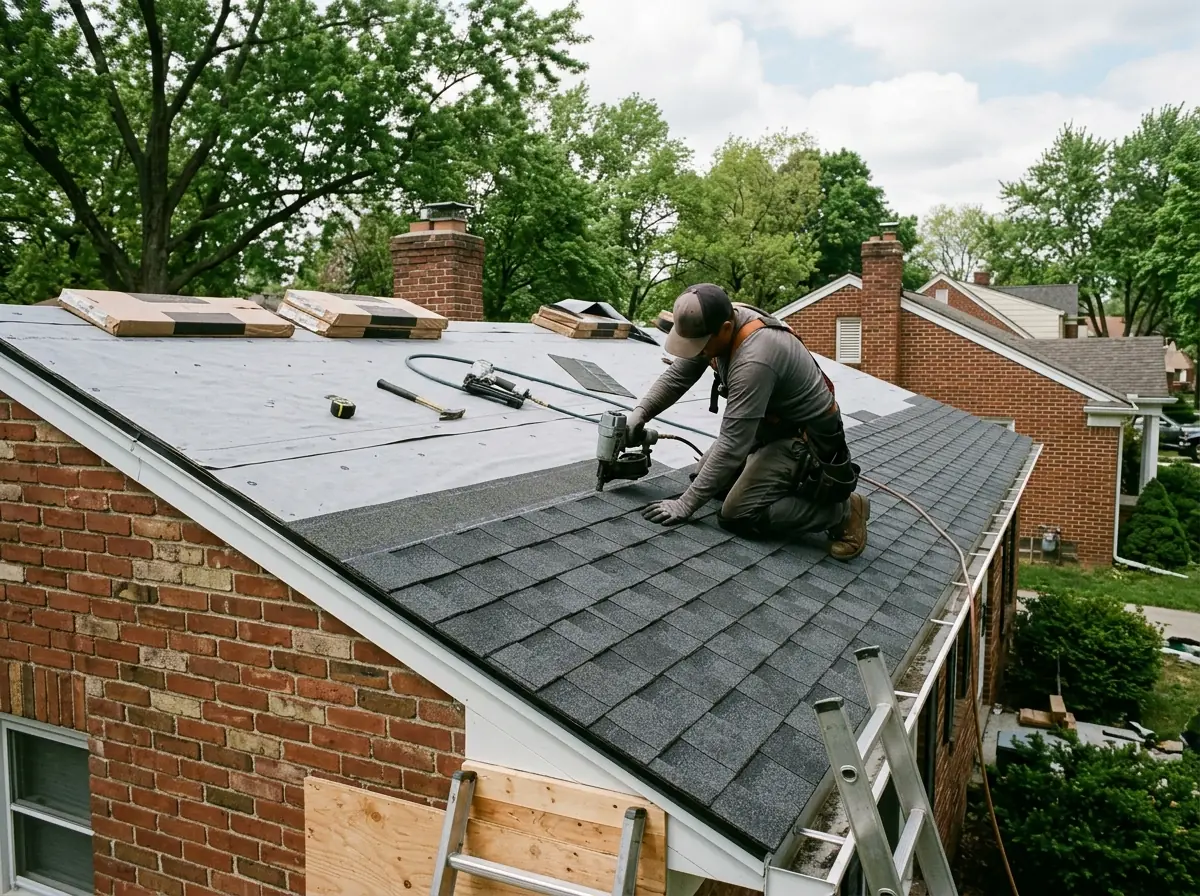
Class 4 Upgrade After Hail
If the roof is being replaced after hail, it's a good time to ask about Class 4 shingles, the top rating in the UL 2218 impact test. GAF notes that some insurers may offer premium discounts for Class 4 shingles, so ask your own insurer for numbers before you choose. The rating is a lab test, and GAF says it gives no warranty on how its Class 4 shingle performs against hail. The shingle roofing page compares the ratings.
Why Southfield homeowners call Southfield Elite Roofing
- Free roof inspection
- Written scope and price before work starts
- One local roofing contractor per request
- Southfield homes and buildings only
- No fee for homeowners
Hail Damage Inspection: When to Call
The National Weather Service calls a storm severe when hail reaches 1 inch across. That's a reasonable line for calling a roofer, though smaller hail can still mark soft metals and older shingles. NRCA, the roofing contractors' association, suggests inspecting a roof after any hailstorm, on top of its regular spring and fall checks.
Timing matters for two reasons. A bruised shingle may not leak until months later, and an insurer will want to tie the damage to a dated storm. Get it inspected while the storm date is fresh, and keep the inspection photos with that date. The claim steps and Michigan's deadlines for insurers are on the storm damage roof repair page.
Hail Damage Photos to Take After a Storm
Start from the ground, before anyone climbs up or makes a repair:
Hailstones
A few next to a coin or ruler, photographed the same day, before they melt.Soft metals
Dents in gutters, downspouts, the AC unit fins and the mailbox.Downspout splash areas
Piles of granules.Windows and siding
Cracked screens, chipped paint and dented trim on the storm side.Skylights
Any cracks you can see from inside.Cars and outdoor furniture
Dents there help confirm stone size.Date and time
Keep the weather alert or a news report of the storm with your photos.
Michigan DIFS tells homeowners to document storm losses with photos or video and to hold off on permanent repairs until the insurer has inspected or says to go ahead.