
Slate Roofing, Tile and Shake Types
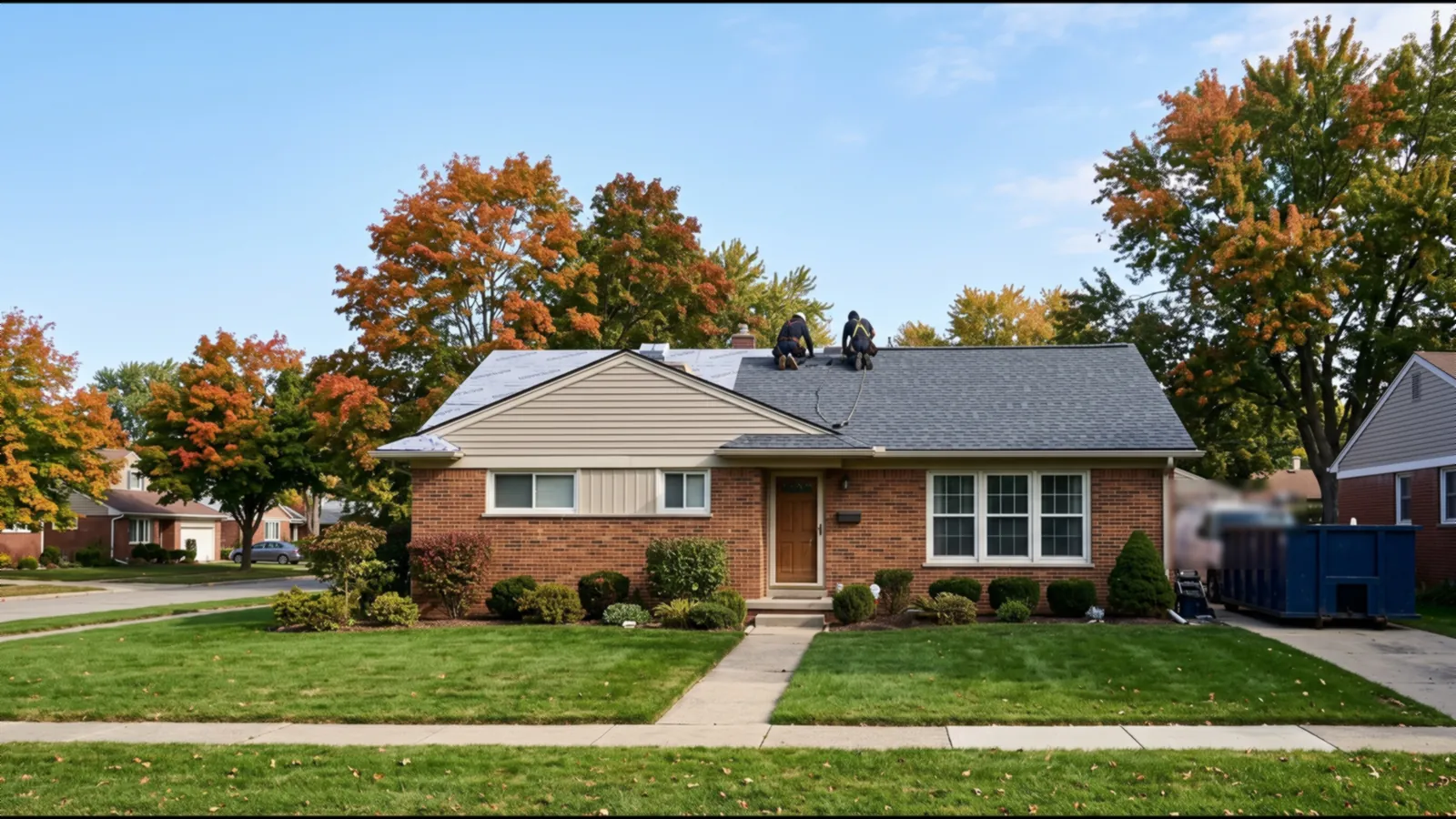
Slate and tile outlast any shingle, and cedar shake lasts about as long as one. All of them cost more and need a roofer who has worked with them. The synthetics trade some lifespan for a lighter, cheaper roof that still looks right from the street.
Natural Slate
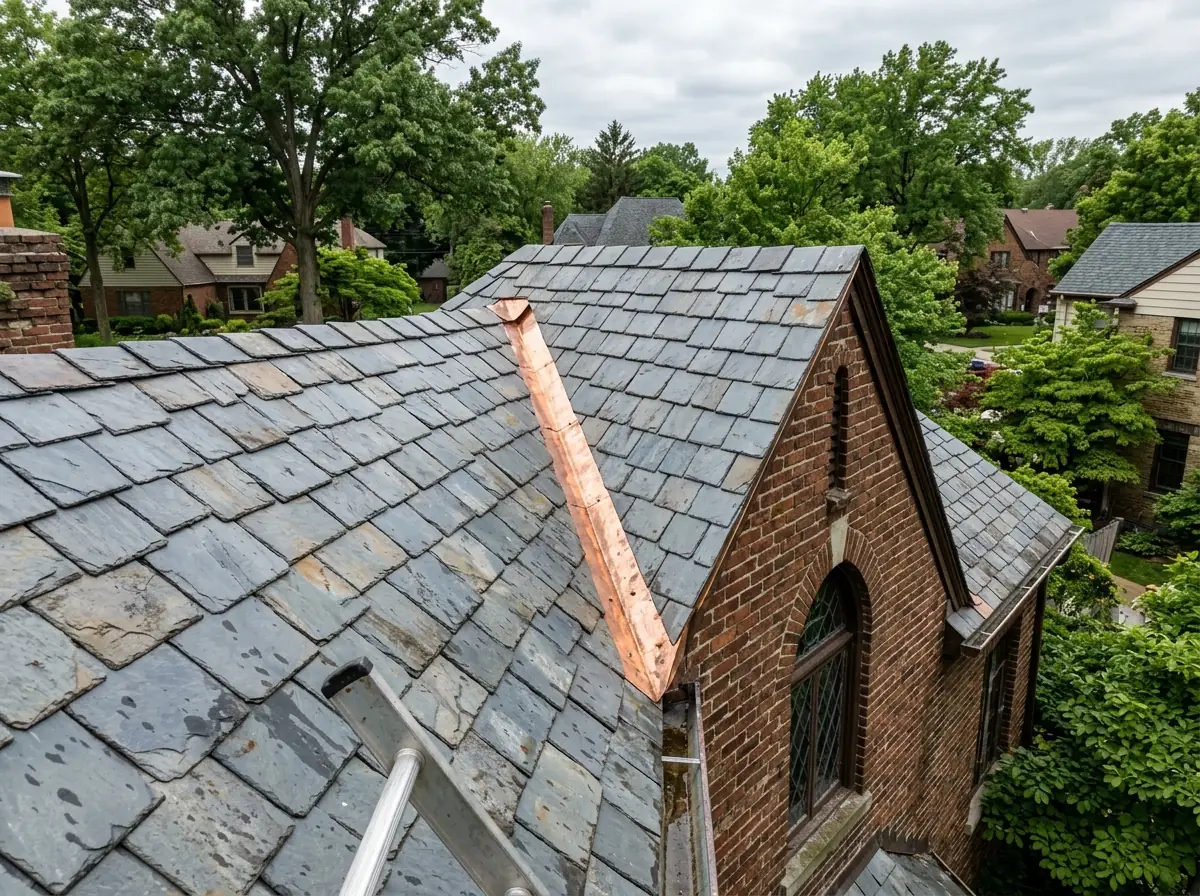
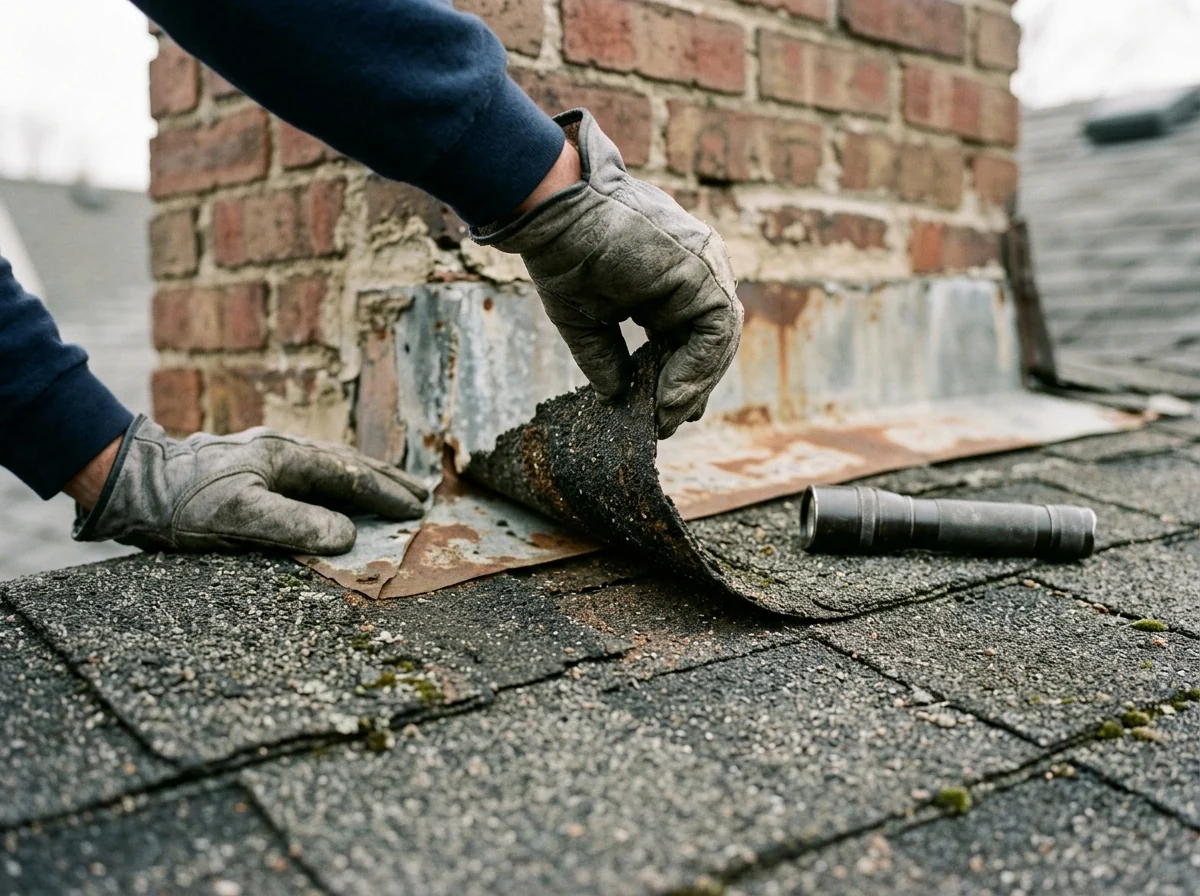
Natural slate is split stone, nailed through pre-punched holes and lapped so each slate covers the joint below it. InterNACHI gives slate 60 to 150 years. HomeGuide splits it further, with soft slate at 50 to 125 years and hard slate at 75 to 200. The stone usually outlives what holds it: steel nails rust, and old flashing wears through, so on most slate roofs the nails and metal go before the stone does. A roofer who knows slate checks the nails and flashing first before writing the whole roof off.
Synthetic Slate
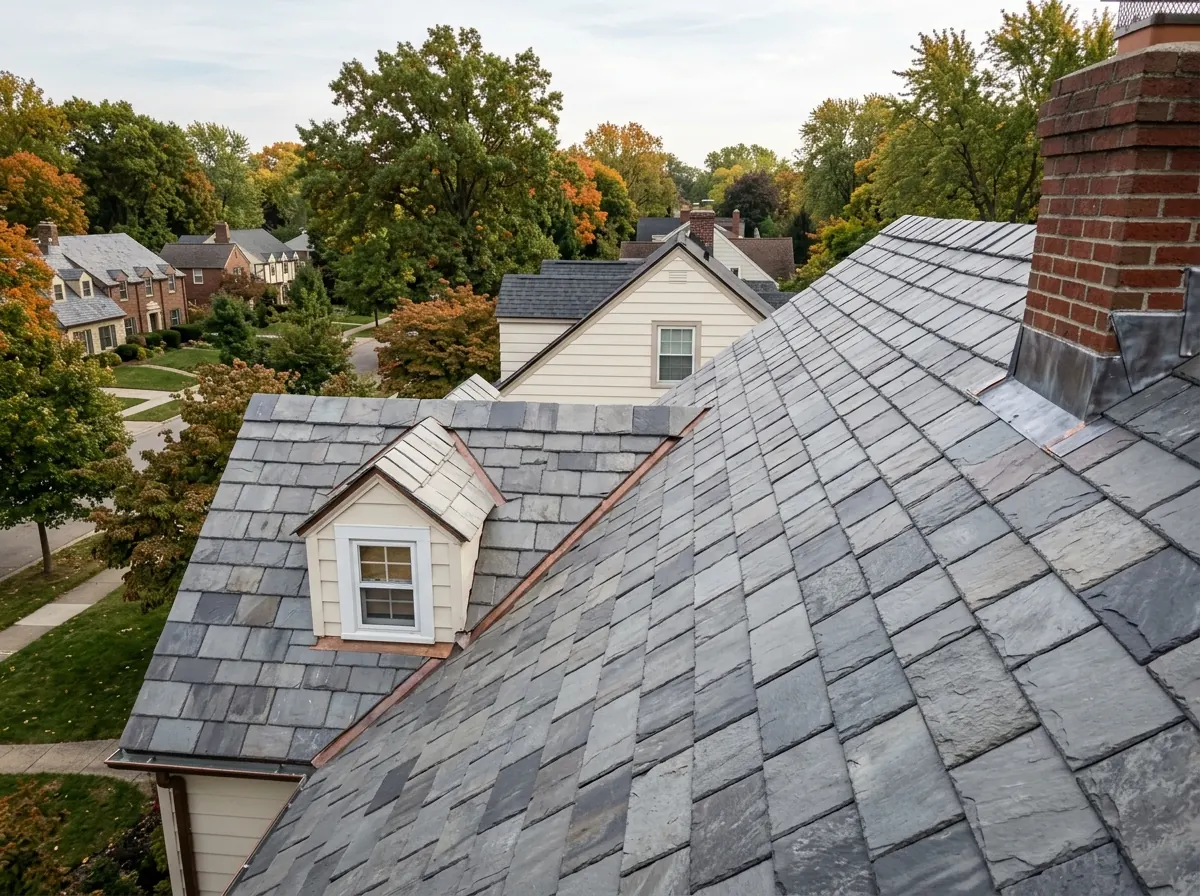
Synthetic slate is molded from rubber or plastic composites, with color and edges varied so it doesn't look stamped. It's far lighter than stone and cuts with ordinary tools. Lifespan estimates disagree: InterNACHI lists simulated slate at 10 to 35 years, while HomeGuide gives synthetic slate 30 to 50. Ask the contractor which product it is and what the manufacturer's own documents say. HomeGuide prices it at $9 to $12 per square foot installed.
Cedar Shake
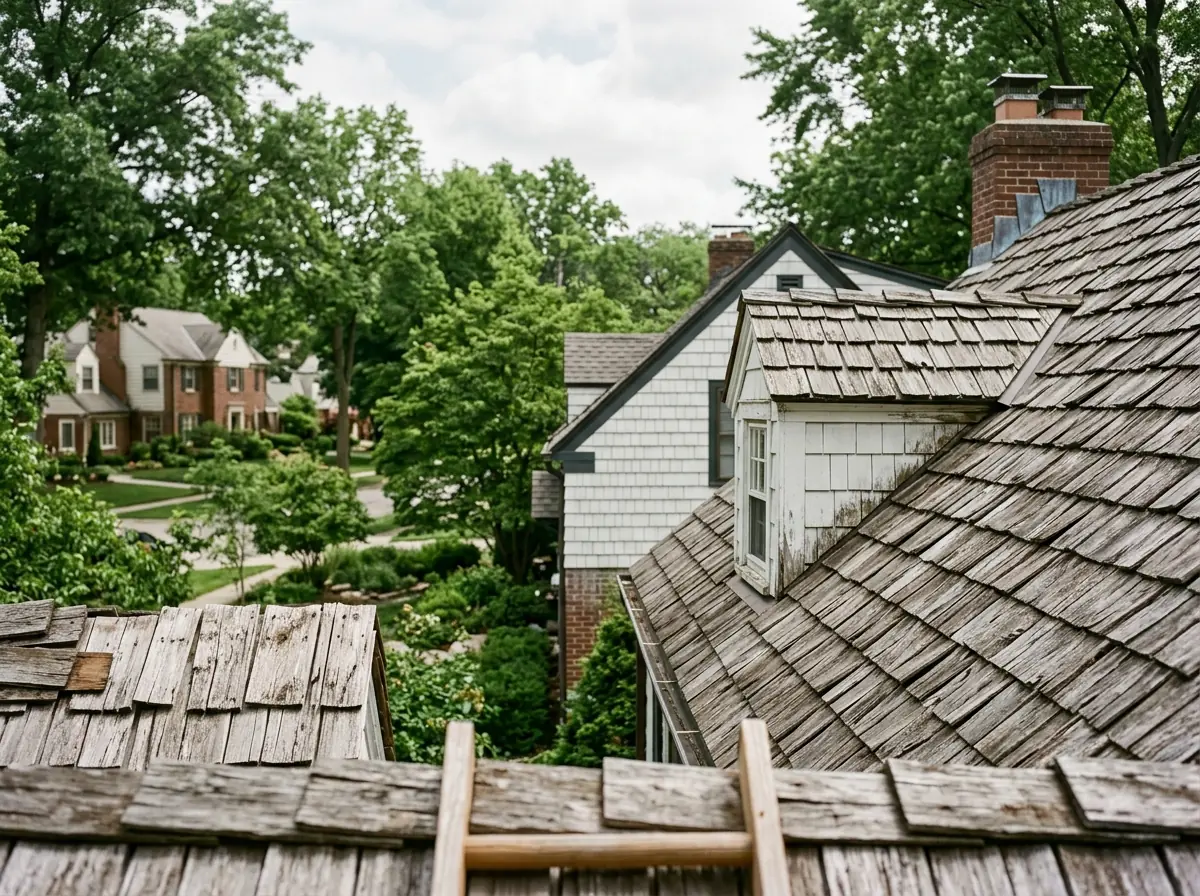
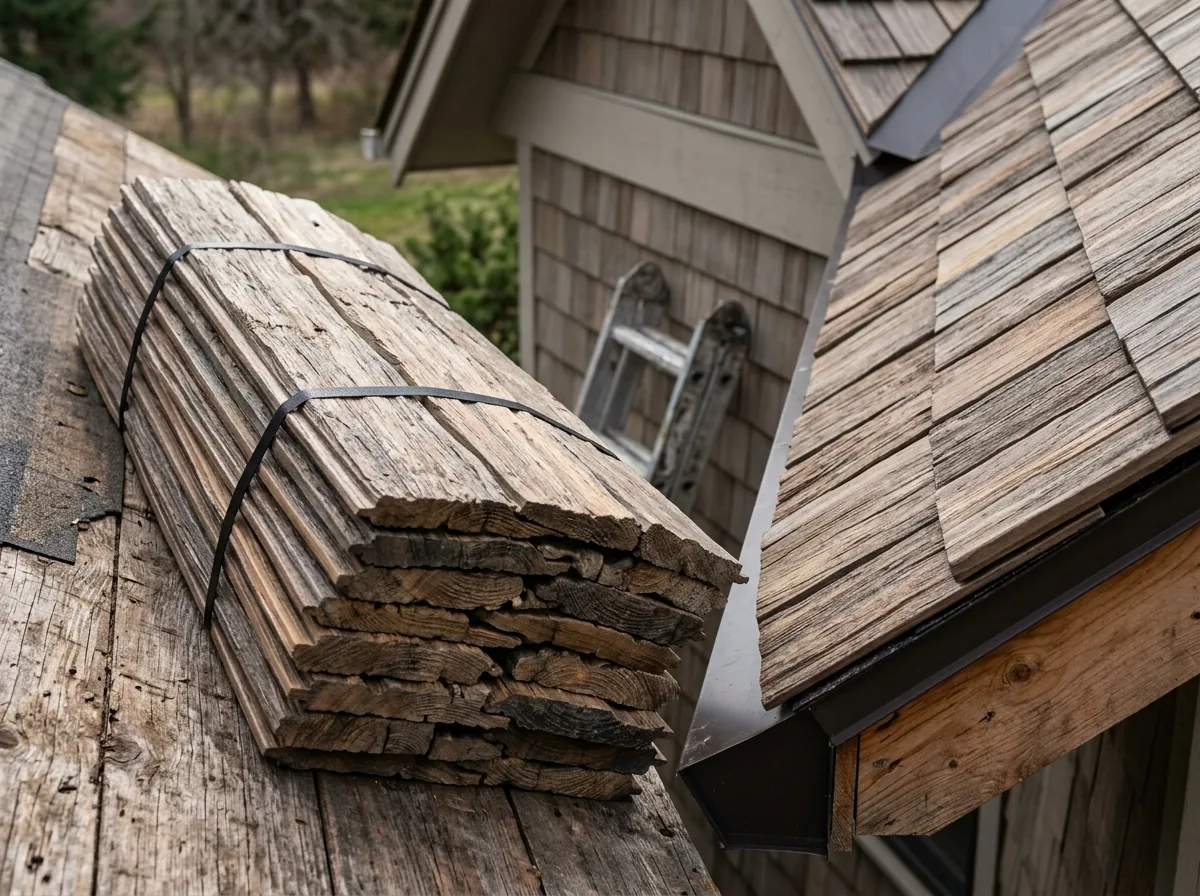
Cedar shakes are split wood, thicker and rougher than sawn cedar shingles. They weather from tan to silver gray. InterNACHI estimates about 25 years for wood roofs. Shade, leaves and a damp north slope shorten that, because wood that stays wet grows moss and cups. Shakes need to dry out between rains. HomeGuide puts real shake at $25 to $30 per square foot installed.
Synthetic Shake
Synthetic shake copies the split-wood look in composite. It doesn't rot or grow moss the way cedar does, and it doesn't need treatment. HomeGuide lists it at $12 to $20 per square foot installed. Ask to see a sample in daylight next to a real shake, because some products read as plastic up close and others are hard to tell apart at roof distance.
Clay and Concrete Tile
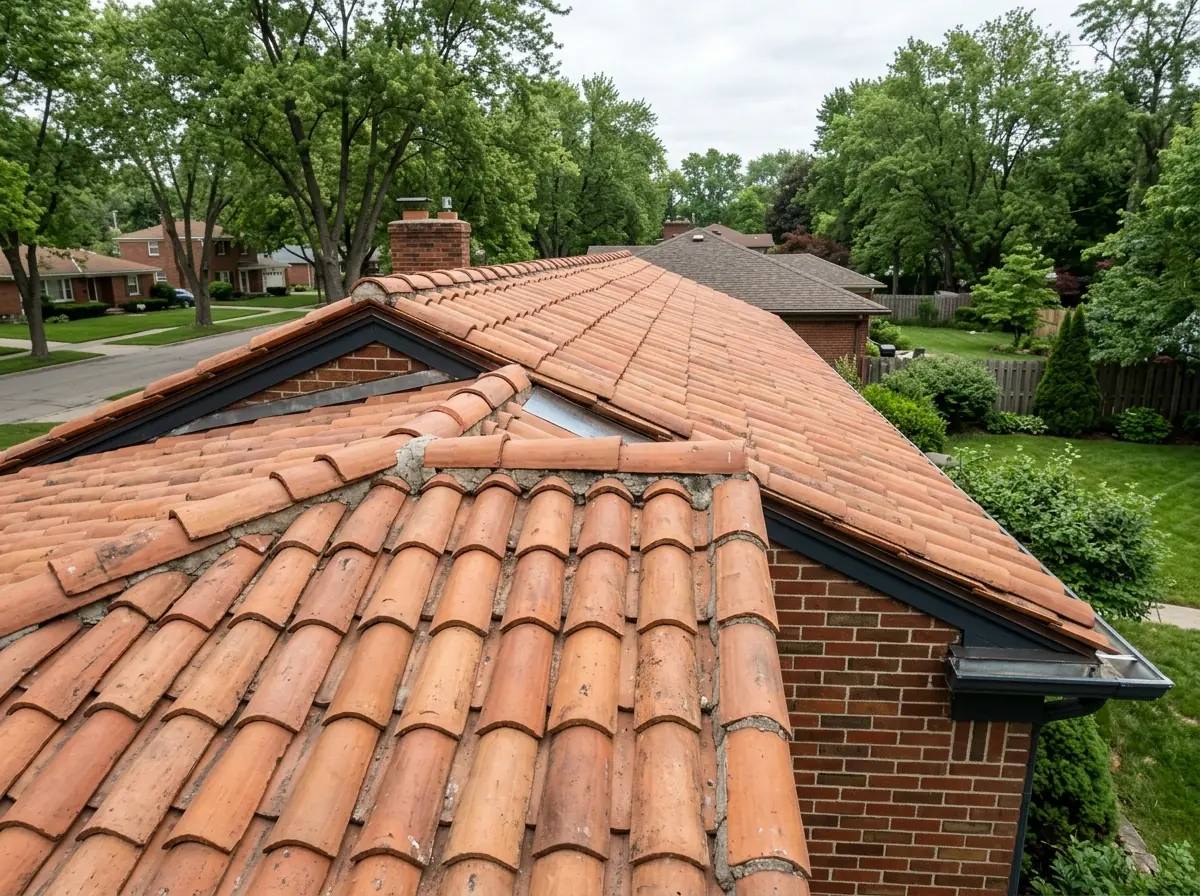
Clay and concrete tile can last 100 years or more, according to InterNACHI. In Southfield, clay is the riskier of the two. HomeGuide notes that clay tile suits warm climates, because cold and freeze-thaw cycles crack it, and January lows at the Detroit weather station average about 19°F. Concrete tile is cheaper ($7 to $19 per square foot installed against clay's $8 to $25, per HomeGuide) but more porous. Either one is heavy, so the rafters get checked before tile goes on a house that never had it.
Slate and Tile Repair
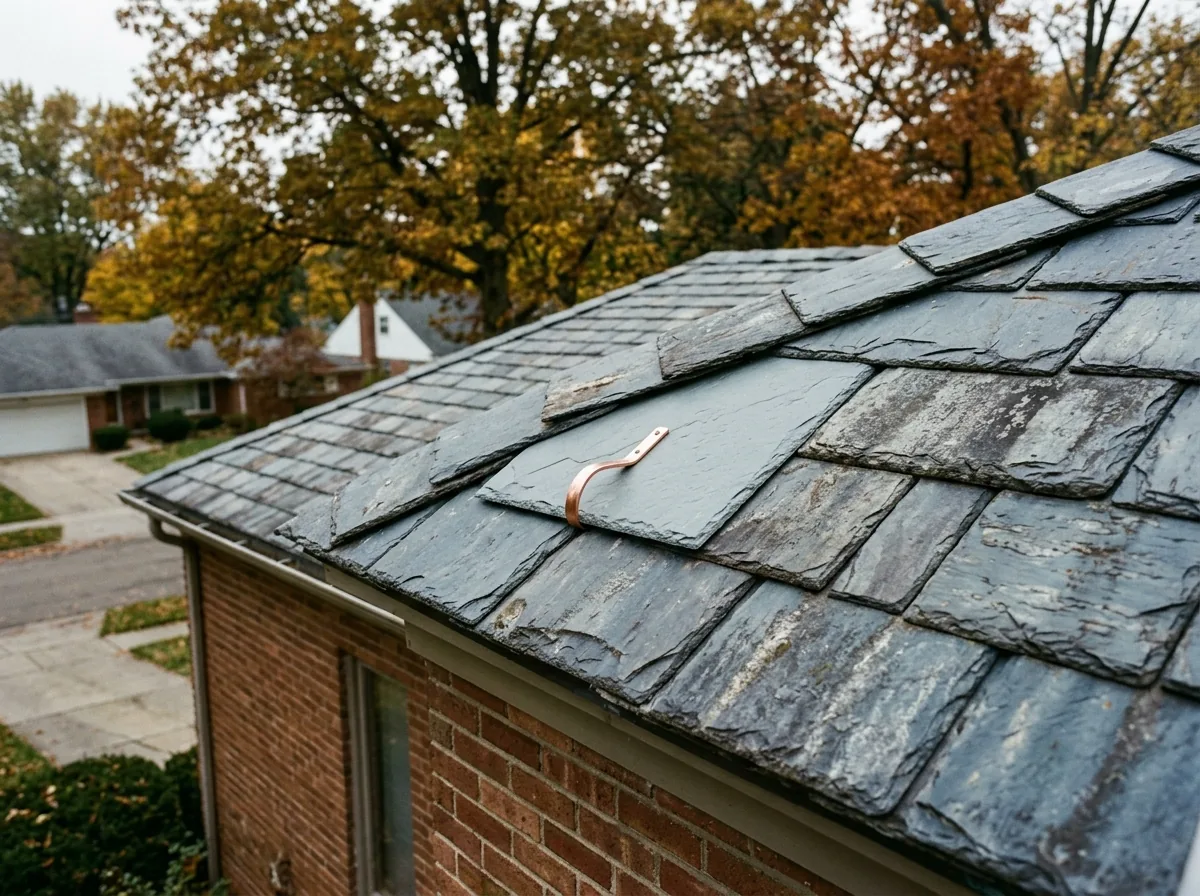
A broken slate comes out with a slate ripper that cuts the old nails. The new slate slides up and hangs on a copper or stainless slate hook, or it gets nailed through the joint above with a metal bib over the nail. Matching matters more than the method. Salvaged slate of the same quarry color blends; a new slate in the wrong gray stands out for decades. Broken tiles are handled the same way, and HomeGuide lists replacing individual roof tiles at $60 to $125 per tile. Walking on slate or tile cracks it, so repair crews work from ladders, hook ladders or roof jacks.
Why Southfield homeowners call Southfield Elite Roofing
- Free roof inspection
- Written scope and price before work starts
- One local roofing contractor per request
- Southfield homes and buildings only
- No fee for homeowners
Slate Roofing and Tile Cost in Southfield
National installed prices from HomeGuide, per square foot:
Natural slate
$10 to $30.Synthetic slate
$9 to $12.Real cedar shake
$25 to $30.Synthetic shake
$12 to $20.Clay tile
$8 to $25.Concrete tile
$7 to $19.
These are national estimates, not quotes. Two things drive the gap between a repair and a new roof: how many pieces are broken, and whether the flashing is the original metal. Copper flashing, per HomeGuide, lasts 50 to 100 years; aluminum lasts 15 to 20.
Slate and Shake Roofs in Southfield: Things to Know
Snow slides off slate in sheets
A smooth slate or tile roof can drop its snow load at once onto a walkway or a gutter. A row or two of snow guards holds it on the roof until it melts.Freeze-thaw finds every crack
The Detroit station averages about 45 inches of snow a season. A cracked slate or tile lets water in, and that water freezes and widens the crack, so small breaks are worth fixing before winter.Gutters take a beating
Ice and sliding snow bend gutters on these roofs. Heavier hangers or a snow guard row near the eave help.The permit still applies
Southfield requires a building permit to re-roof, whatever the material.Ask about slate experience
Ask whether the contractor repairs slate or tile and to see photos of that work, because the tools and methods differ from shingles.
Slate, Tile and Shake Roofs: Repair or Replace
Broken or slipped slates, sound stone elsewhere
Repair. Rehang the pieces and fix the flashing.Slates that flake, crumble or ring dull when tapped
The stone itself is failing. Plan for replacement, slope by slope.Nail heads rusted through across the roof
The slates slide off one by one. A strip-and-relay with new copper nails can save good stone.Cracked clay tiles after a hard winter
Expect more. Price replacement tiles now, while a match is available.Cupped, split or mossy shakes over large areas
Wood near the end of its life. Replace it with new shake or a synthetic.Leaks at chimneys and valleys only
Flashing work, not a new roof. See chimney flashing repair.