
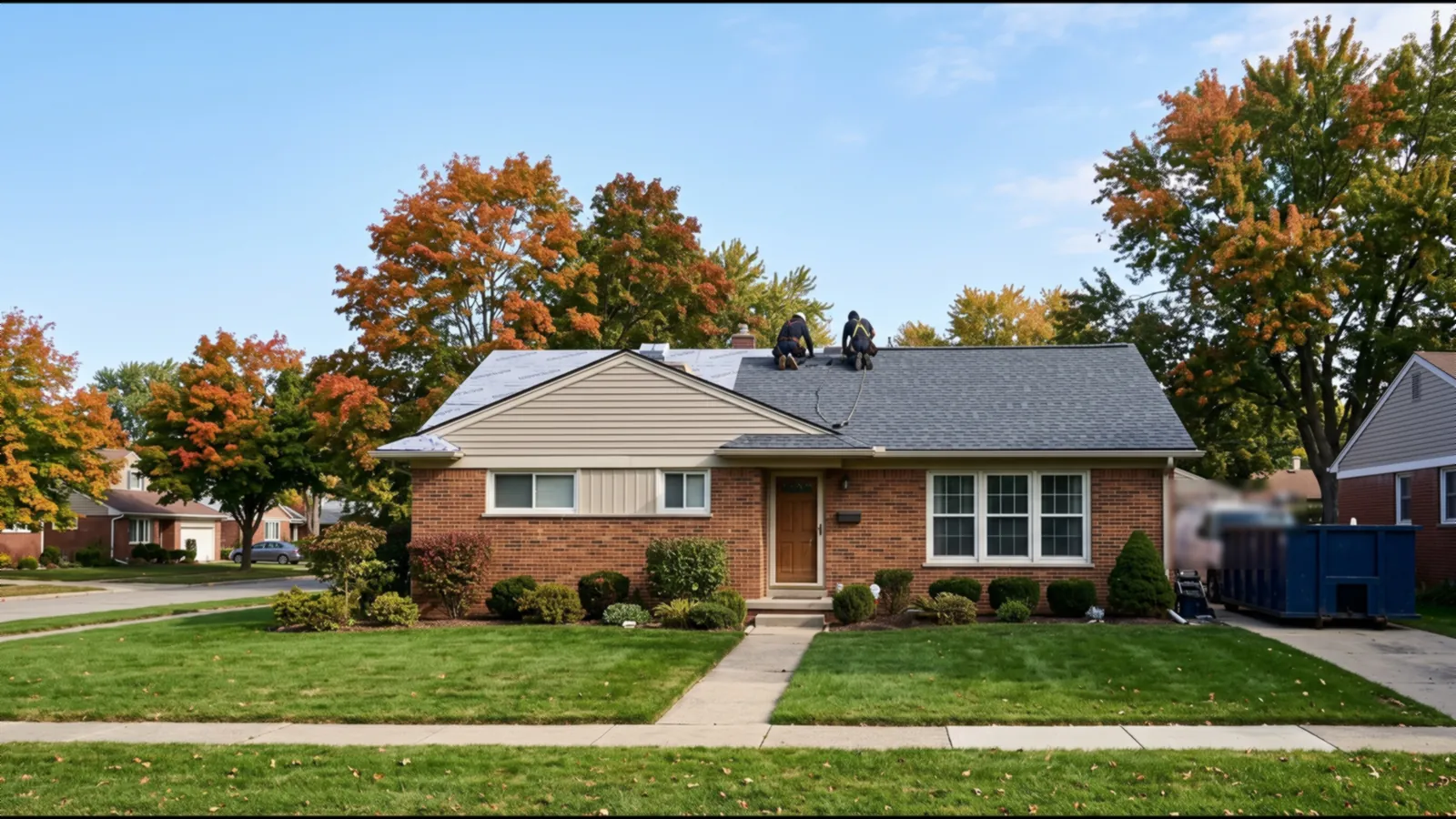
Types of Gutter Installation in Southfield
Seamless K-Style Aluminum Gutters
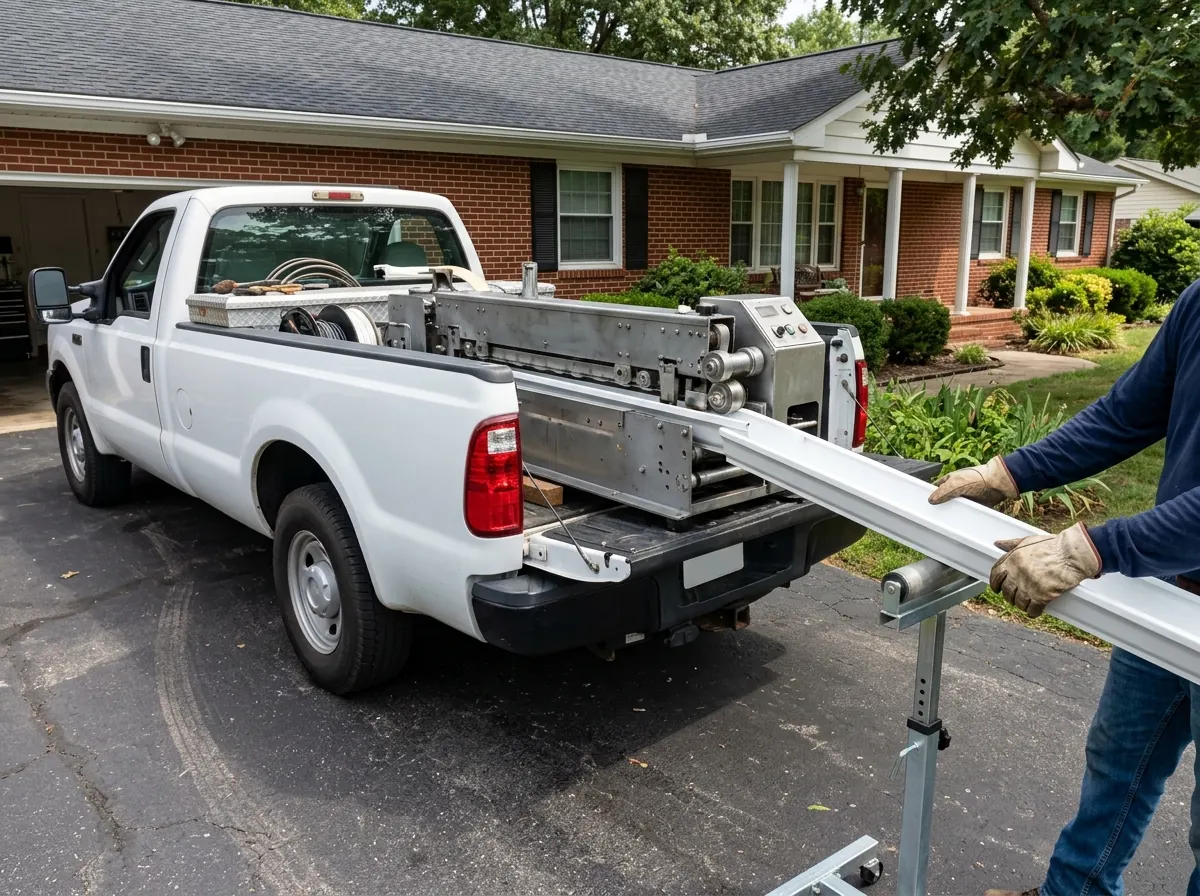
K-style is the standard gutter profile. It has a flat back against the fascia and a front with a molded shape like crown molding. A seamless gutter is formed on site from a coil of aluminum, cut to the exact length of the run, so the only joints are at the corners and the downspout outlets. HomeGuide puts aluminum gutters at $10 to $20 per linear foot installed and seamless at $3 to $5 or more per foot above sectional ones. Hidden hangers screwed into the fascia hold the gutter from inside. They hold better than the old spike-and-ferrule style, which tends to work loose over the years.
Oversized 6-Inch Gutters
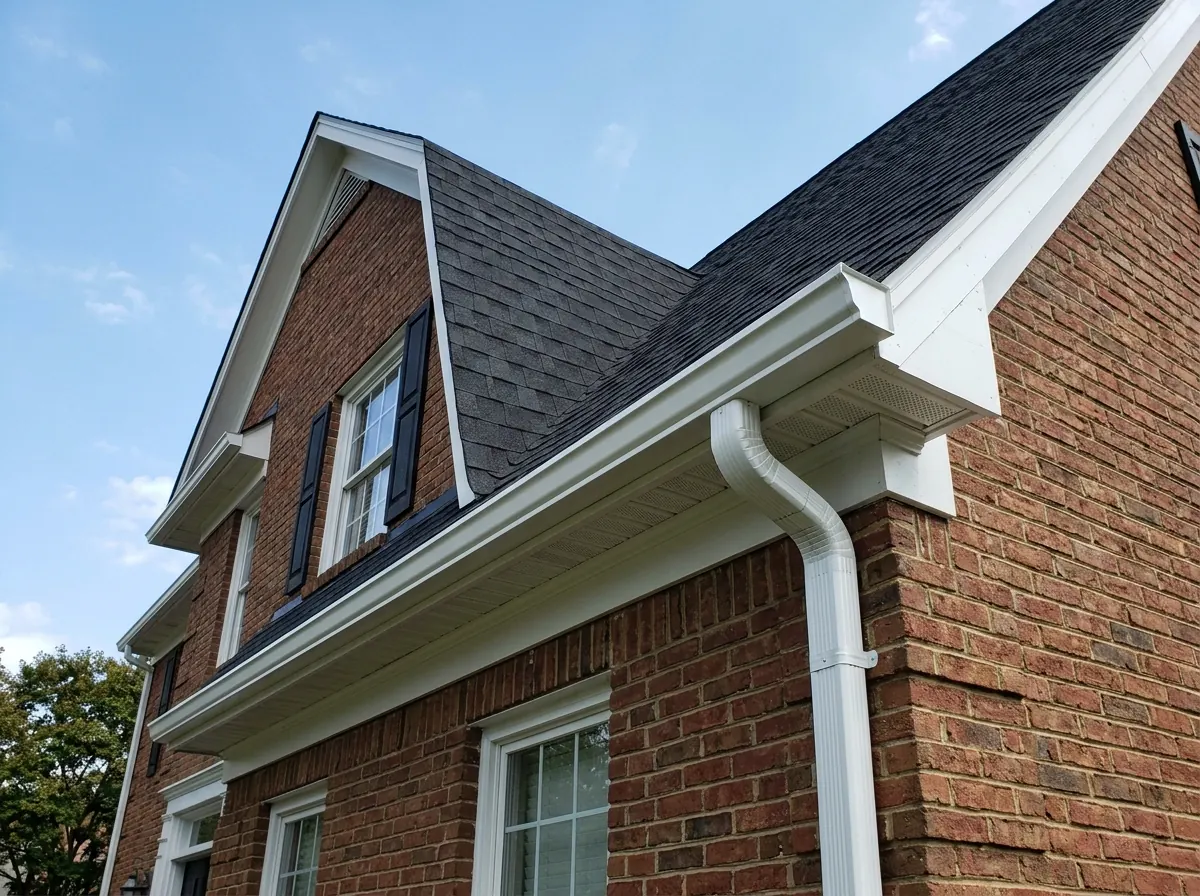
A 6-inch gutter carries noticeably more water than a 5-inch. HomeGuide says most homes use 5-inch and that large roof areas or heavy rainfall call for 6-inch, which adds $1 to $2 per linear foot. On a Southfield house, the usual candidates are long eaves under a big steep slope and corners where a valley drops a whole slope's runoff into one spot. A gutter that overflows at one corner every storm is undersized there, even if the rest is fine.
Half-Round and Copper Gutters
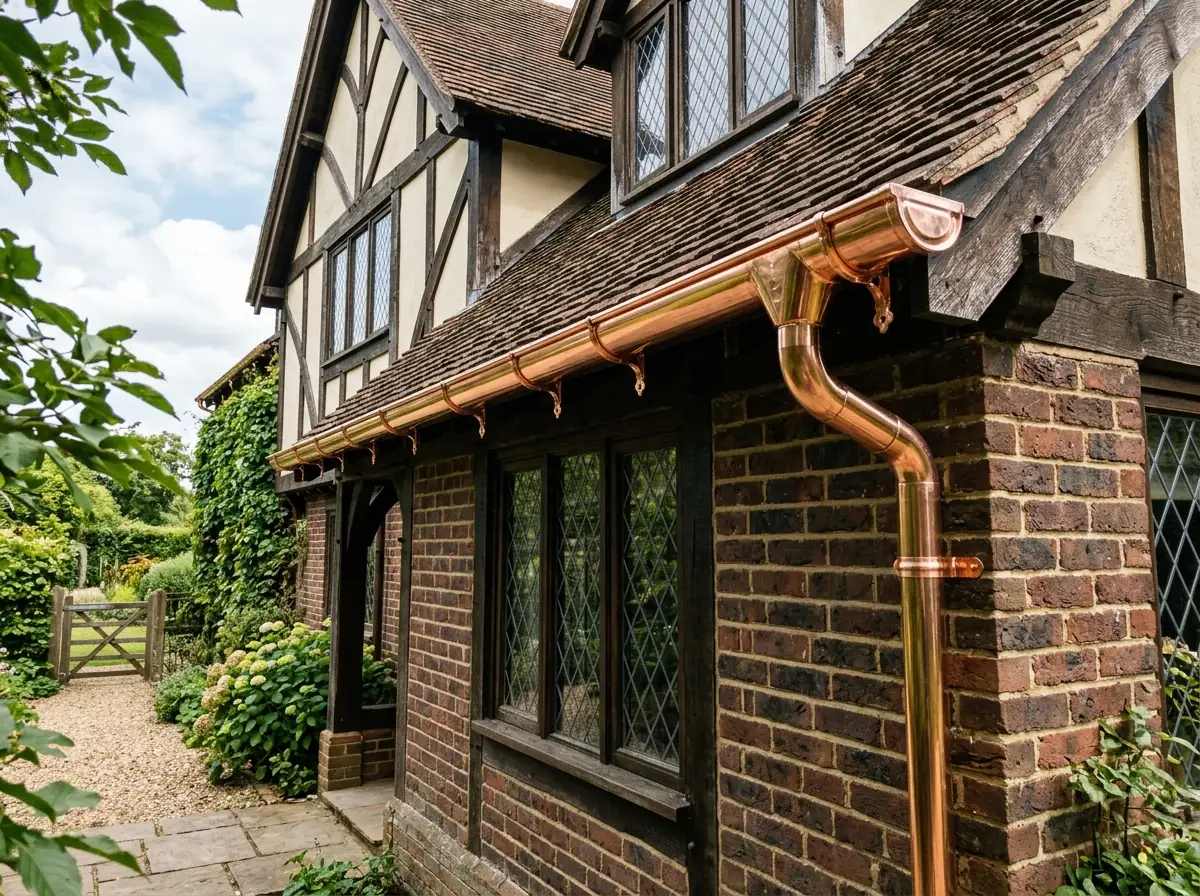
Half-round gutters have a semicircular trough and hang on exposed brackets, and they go with older brick Tudors and colonials. HomeGuide notes they add $1 to $2 per linear foot over K-style. Copper is the premium material: $25 to $40 per linear foot in HomeGuide's figures, with a lifespan it lists at 50 to 100 years. Copper gets soldered joints and copper hangers, because steel fasteners against copper corrode. It weathers from bright to brown to green over the years, which some owners want and some don't.
Downspouts and Underground Drains
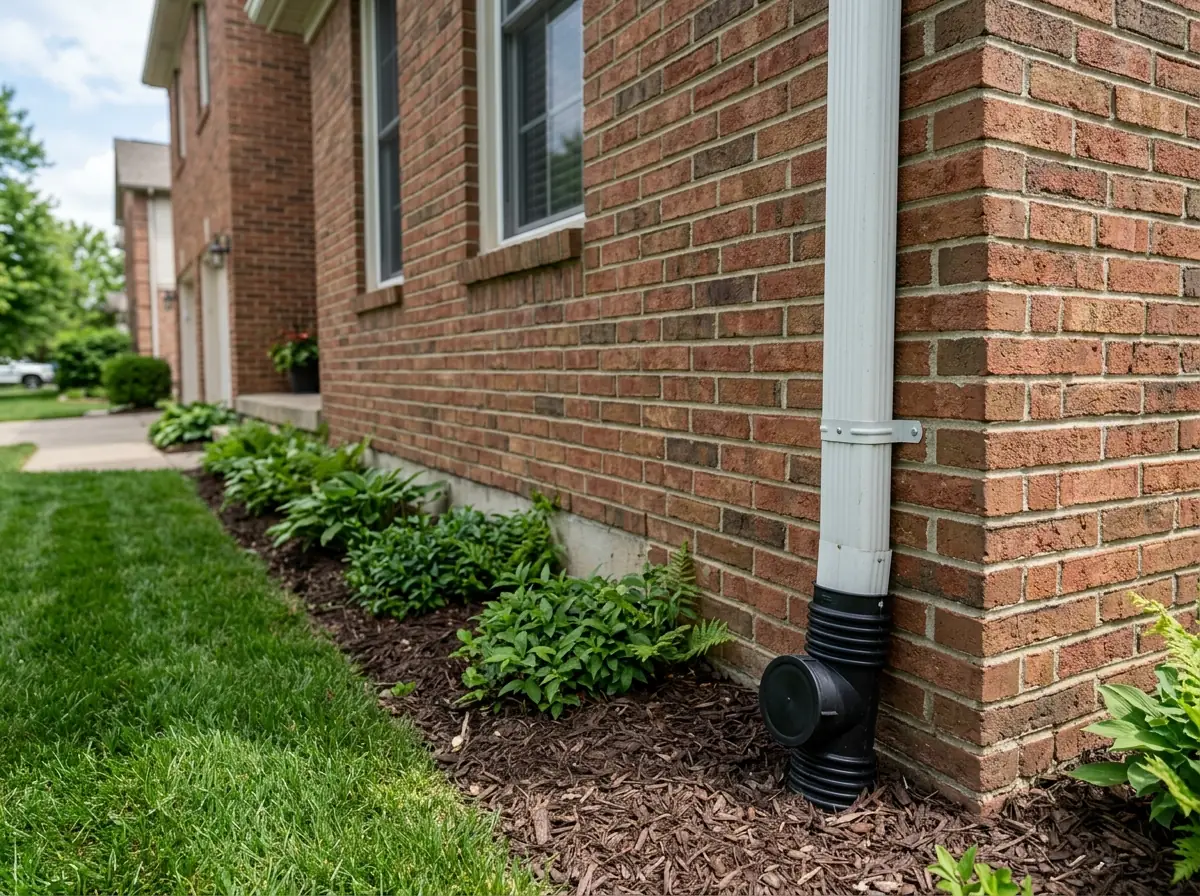
A gutter only moves water to the downspout. Where it goes from there decides whether the basement stays dry. HomeGuide puts downspouts at $30 to $75 each and extensions or splash blocks at $10 to $50 per downspout. An underground drain carries water further from the foundation, but it has to slope to a free outlet, and a clogged one is out of sight until the downspout backs up. Ask for a cleanout fitting where the downspout meets the buried pipe.
Gutter Repair and Re-Pitching
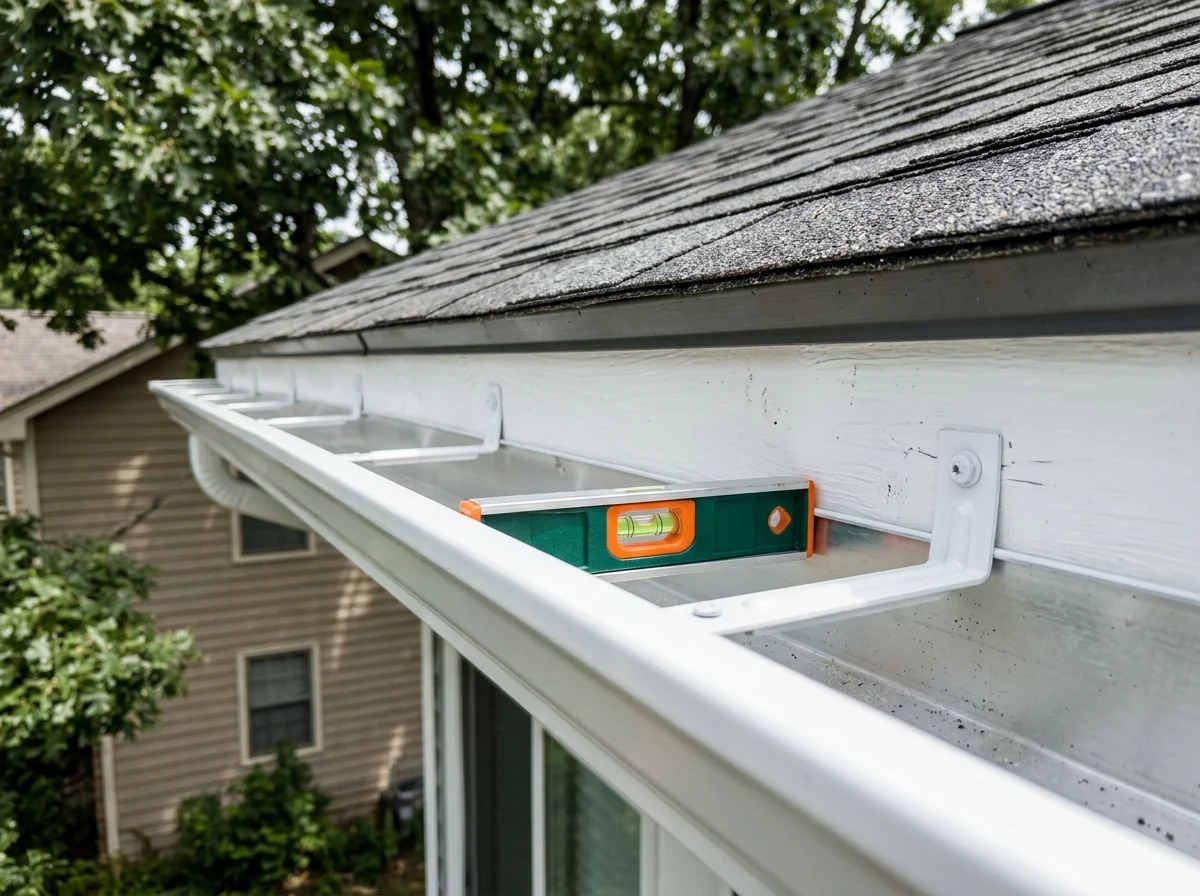
A gutter that holds standing water has lost its slope toward the downspout, usually because hangers pulled loose or the fascia behind them went soft. Re-pitching means taking the run down, setting a new slope line and re-hanging it on new hangers. Leaky corners get resealed, and loose end caps get new sealant and rivets. HomeGuide puts gutter repairs at $100 to $450. When the fascia is rotted, it has to be replaced before anything hangs on it, at $5 to $12 per linear foot in HomeGuide's numbers. See soffit and fascia for that work.
Why Southfield homeowners call Southfield Elite Roofing
- Free roof inspection
- Written scope and price before work starts
- One local roofing contractor per request
- Southfield homes and buildings only
- No fee for homeowners
Gutter Installation Cost in Southfield
HomeGuide's 2026 range is $12 to $25 per linear foot installed, or $2,200 to $5,000 for an average home. Its rule of thumb: a house has about one linear foot of gutter for every 10 square feet of floor area. These are national estimates, not quotes.
What moves the number:
Height
Two-story runs add $1 to $3 per foot for ladders and safety setup.Size and style
6-inch and half-round each add $1 to $2 per foot. Copper roughly doubles the aluminum price.Downspouts
Count them on the quote. Each one is $30 to $75.Tear-out and fascia
Removing old gutters adds $50 to $200, and rotted fascia gets replaced first.Guards
Covers are priced separately. See gutter guards.
Gutter Installation Process
- 1
Measure Each Run
The installer measures every eave, counts the corners and looks at how much roof drains to each side. Large slopes and valley corners are where a 6-inch gutter or an extra downspout goes.
- 2
Check the Fascia and Drip Edge
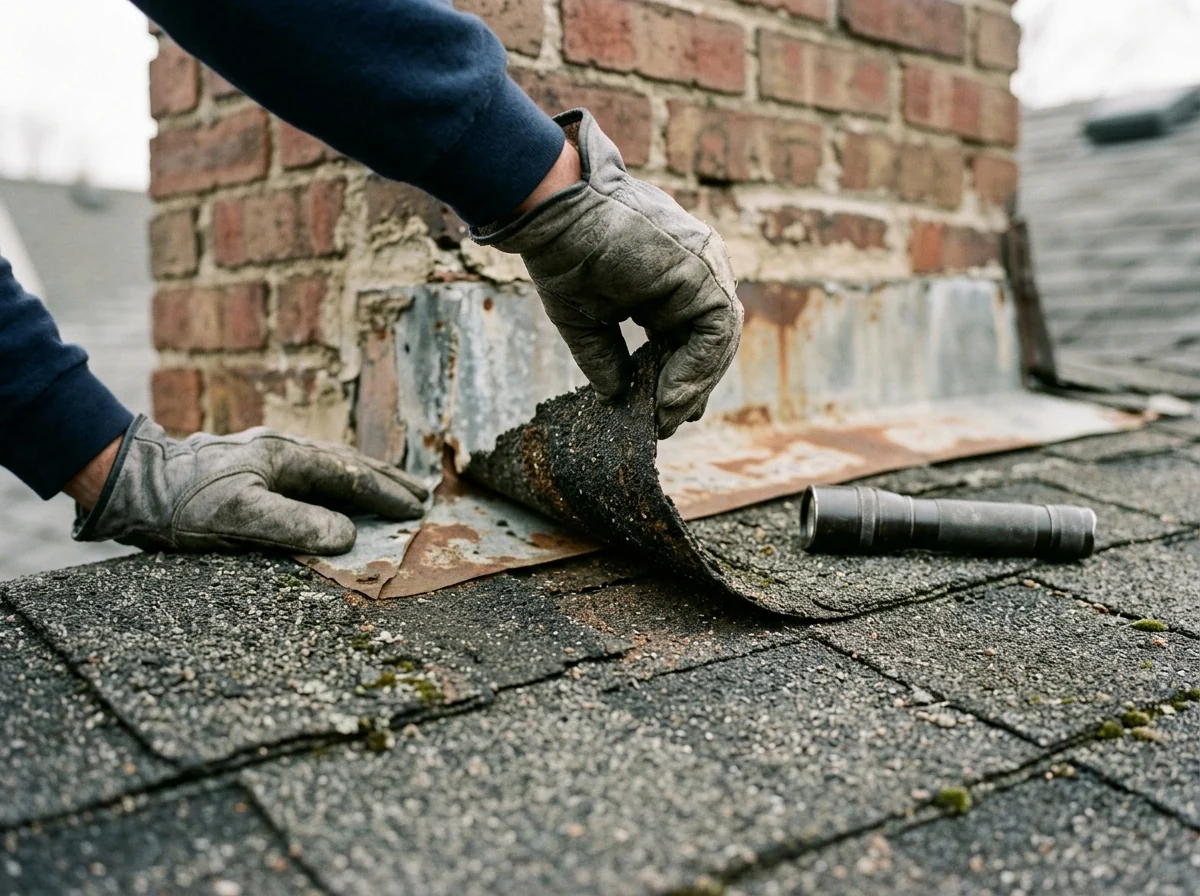
Old gutters come down and the fascia gets probed for soft spots. The drip edge should overhang into the gutter, so water coming off the shingles lands in the trough instead of running behind it.
- 3
Form and Hang the Gutters
Each run is formed from coil on site and cut to length. Hangers go into the fascia at close spacing, and the gutter is set with a slight slope toward each downspout outlet.
- 4
Downspouts and Discharge
Downspouts are strapped to the wall and finished with an elbow, extension or underground connection that sends water away from the foundation.
- 5
Water Test
A hose run into the high end of each gutter shows whether it drains completely and whether any corner or end cap drips. Standing water left behind means the slope needs adjusting.
Things to Know About Gutters in Southfield
Rain is spread across the year. NWS normals for Detroit add up to about 34 inches of precipitation a year (our sum of the monthly figures), and May is the wettest month at 3.72 inches. Summer storms test gutter size. Fall leaves and winter ice test everything else.
Ice weighs gutters down. With about 45 inches of snow in an average season, gutters spend weeks full of ice. Hidden hangers spaced close together and a sound fascia board keep a loaded gutter from peeling away from the house.
Older houses, older fascia. Southfield's median home dates from 1969 (Census ACS), and much of that housing still has its original wood fascia under a coat of paint or an aluminum wrap. Plan on the installer probing it when the old gutters come off.
Vinyl and cold don't mix. HomeGuide notes vinyl gutters can turn brittle in extreme cold. If a quote lists vinyl, ask why.